
How to Freelance Brand Scale: A 6-Step Guide for Growth
To scale your freelance brand, you must shift from trading hours for money to building repeatable systems that can operate without your direct involvement in every task. This process involves standardizing your services, documenting workflows, automating operations, and strategically delegating work. While many freelancers excel at their craft, true growth happens when you transition from being a service provider to a business owner. Knowing how to freelance brand scale is the key to breaking through income ceilings and building a sustainable company.
The journey from a solo practice to a scalable agency requires a fundamental change in mindset. Instead of focusing solely on client work, your attention must turn to creating the infrastructure that supports growth. This guide outlines the essential steps to transform your freelance operation into a structured, scalable business that can grow beyond your personal capacity.
Step 1: Standardize Your Service Offerings
The first step in scaling is to move away from fully custom, hourly-based projects and toward productized services. A productized service has a defined scope, a fixed price, and a predictable delivery process. This standardization is the foundation for creating repeatable systems. By standardizing your services, you make them easier to sell, manage, and delegate.
Consider your most requested services and identify the common elements. Group these into distinct packages with clear deliverables and price points. For example, a content marketing freelancer might offer:
- Basic Package: 4 blog posts per month, keyword research, and a content calendar.
- Standard Package: 8 blog posts, keyword research, a content calendar, and basic social media promotion.
- Premium Package: 12 blog posts, advanced SEO strategy, a content calendar, social media management, and monthly performance reporting.
This approach simplifies your sales process because potential clients can easily understand what they are buying. It also standardizes your workflow, making it possible to create templates, checklists, and processes that anyone on your future team can follow.
Step 2: Document Your Processes for Repeatability
Once your services are standardized, you must document every step of your delivery process. This creates Standard Operating Procedures (SOPs) that ensure consistent quality, regardless of who performs the task. Your goal is to build a library of instructions that can guide a new team member through any project from start to finish. Without clear documentation, delegation becomes chaotic and ineffective.
Your SOPs should cover all recurring activities, including:
- Client onboarding and kick-off calls
- Project setup in your management tools
- Executing specific tasks (e.g., writing a blog post, designing a graphic)
- Client communication and feedback rounds
- Final delivery and project offboarding
- Invoicing and payment collection
Store these documents in a centralized location like Google Drive, Notion, or a dedicated wiki. Use a combination of text, screenshots, and video recordings to make them as clear as possible. A well-documented business is a scalable one because it separates the operation from the owner.
Step 3: Build an Automation-Focused Tech Stack
With standardized services and documented processes, you can begin to automate repetitive tasks. An effective tech stack reduces manual work, minimizes errors, and frees up your time to focus on high-value activities like strategy and sales. Your technology choices should support your documented workflows and make your operations more efficient.

Key areas for automation include:
- Client Relationship Management (CRM): Use a CRM like HubSpot or Zoho to manage your sales pipeline, track leads, and automate follow-up communications.
- Project Management: Tools like Asana, Trello, or ClickUp help you create project templates, assign tasks, and monitor progress without constant check-ins.
- Marketing and Content: Schedule social media posts with Buffer or Later. Automate your content creation pipeline with tools designed for efficiency. Selecting the right essential tools to grow your business is a critical part of building a scalable infrastructure.
- Invoicing and Finance: Platforms like QuickBooks or FreshBooks can automate recurring invoices, payment reminders, and expense tracking.
Step 4: Create a Content Marketing Engine to Attract Leads
To scale, you need a predictable flow of inbound leads. Relying on referrals or manual prospecting is not sustainable for long-term growth. A content marketing engine is a system that consistently produces and distributes valuable content to attract your ideal clients. This positions your brand as an authority and ensures that potential customers find you when they need your services.
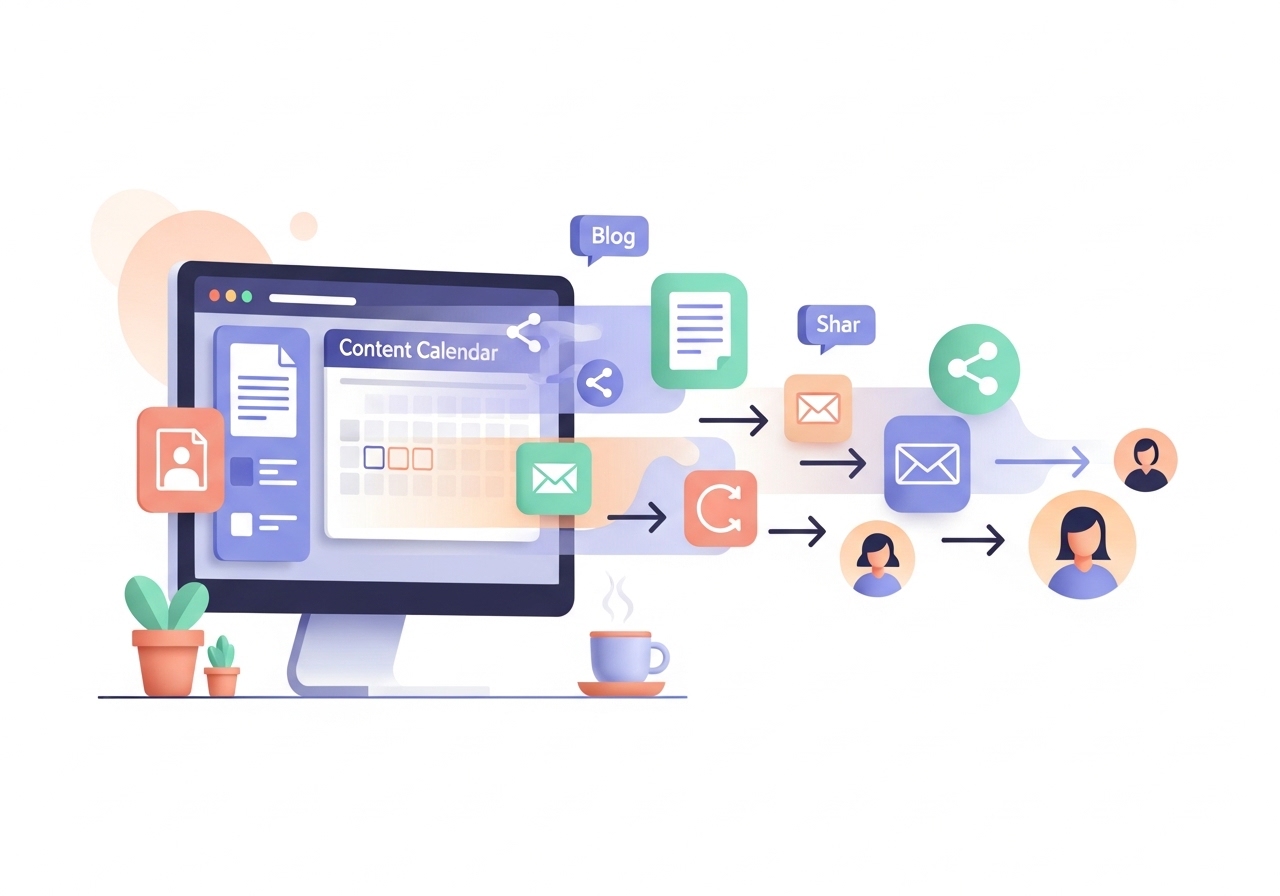
Your content engine should focus on solving your target audience’s problems. A well-executed blog post is a core component that drives traffic and leads for your business. For instance, an agency could create content around marketing strategy, while a SaaS consultant could write about improving productivity. The key is consistency. Publishing high-quality content regularly builds trust and improves your search engine rankings over time. For many growing agencies, using AI to scale your content strategy becomes a necessary step to maintain volume and quality without overwhelming your team.
Step 5: Learn How to Freelance Brand Scale by Hiring and Delegating
You cannot scale alone. The ultimate step is to build a team and delegate the tasks you have standardized and documented. This is often the most challenging part for freelancers who are used to controlling every aspect of their work. However, effective delegation is the only way to grow beyond your own limitations. Start by hiring subcontractors for specific, well-defined roles.
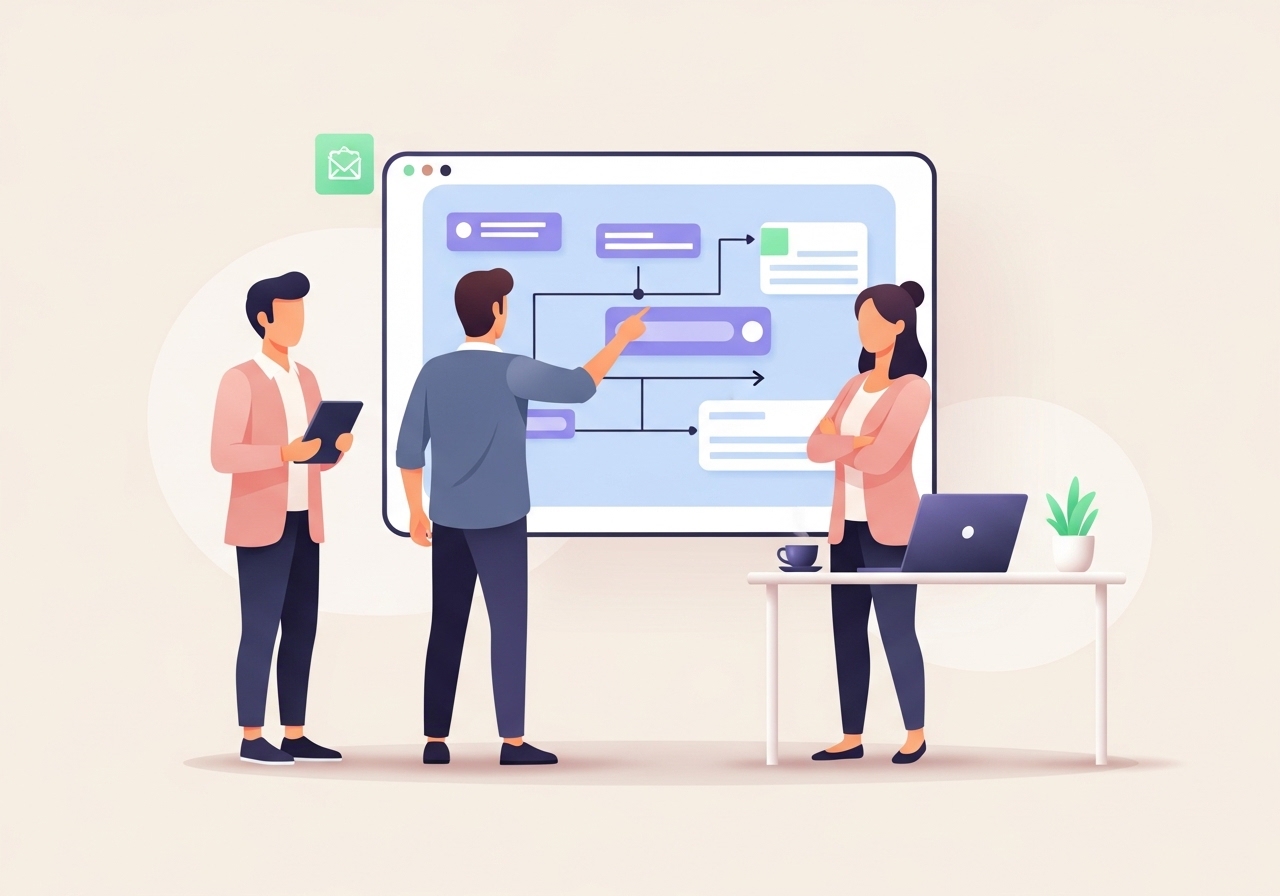
Your SOPs from Step 2 become your training materials. Instead of explaining a task from scratch, you can hand over a document or video that outlines the entire process. This ensures quality and consistency. According to industry experts, a crucial part of scaling is to know who and when to hire. Look for people who can execute your proven systems, not reinvent them. Your role should shift from being the primary “doer” to the manager and strategist who oversees the entire operation.
Step 6: Analyze Performance to Refine Your Growth Model
Scaling is not a one-time project; it is an ongoing process of refinement. Once your systems are in place and your team is executing, you must track your performance to identify opportunities for improvement. Data-driven decisions are essential for sustainable growth. Focus on key performance indicators (KPIs) that reflect the health and profitability of your business.
Important metrics to track include:
- Profit Margin per Project: Are your productized services priced correctly?
- Client Acquisition Cost (CAC): How much does it cost to win a new client?
- Customer Lifetime Value (CLV): How much revenue does the average client generate over time?
- Team Capacity and Utilization: Is your team overworked or underutilized?
Regularly review these metrics to find bottlenecks and inefficiencies. You might discover that one service package is more profitable than others, or that a particular marketing channel delivers the best leads. Use these insights to optimize your pricing, marketing, and operations for continued growth.
Scaling a freelance brand is a deliberate process of building a business that can run without you. It requires moving from custom work to standardized products, documenting every process, and leveraging technology and teamwork. By following these steps, you can create a durable, profitable company that offers greater freedom and impact.
Scaling your content marketing is one of the biggest hurdles to growing your brand. Manually researching, writing, and publishing content takes time away from managing your business.
Ascend fully automates your blog content right from your WordPress dashboard. Our AI-powered platform handles everything from keyword research and content calendars to writing and publishing daily, on-brand posts. Stop spending hours on content and start scaling your traffic automatically. Discover how Ascend can build your content engine for you.
Written by
Ascend
Ascend is an automated SEO engine for WordPress. It handles keyword research, writes high-quality, search-optimized content, and publishes it directly to your site, so your traffic can grow on autopilot. Learn more