
What Is Marketing Management? A Guide for Agencies and SaaS
Marketing management is the strategic process of planning, executing, and analyzing marketing activities to achieve specific business objectives. This discipline goes beyond simple advertising or promotion; it involves a comprehensive approach to understanding customer needs, positioning products, and driving profitable growth. For agencies and SaaS companies, mastering this process is essential for scaling operations and delivering consistent results for clients or internal stakeholders.
The Core Components of Marketing Management
Effective marketing management is built on a foundation of several interconnected components. Each one plays a distinct role in guiding a brand’s market presence from concept to conversion. Without a clear understanding of these pillars, campaigns can become disjointed and fail to produce the desired outcomes. A structured approach ensures that all efforts are aligned and contribute to the overarching business goals.
- Market Analysis and Research: This is the starting point. It involves gathering data on the target audience, competitors, and broader market trends. According to the U.S. Small Business Administration, a thorough analysis informs every subsequent decision, ensuring strategies are based on evidence, not assumptions. This includes understanding customer pain points, demographic information, and the competitive environment.
- Strategy Development: Based on the research, managers develop a marketing strategy. This includes setting clear, measurable objectives (like increasing leads by 20% in one quarter), identifying the target audience segments, crafting the brand positioning, and defining the core messaging. A well-defined strategy acts as a roadmap for the entire team.
- Campaign Planning and Execution: This is the tactical phase where the strategy is put into action. It involves selecting marketing channels (like content, social media, or PPC), creating assets, setting timelines, and launching campaigns. Careful coordination is required to ensure a consistent message is delivered across all platforms.
- Performance Measurement and Optimization: Marketing activities must be tracked and measured against the initial objectives. Managers use analytics to identify what works and what does not, allowing for continuous optimization to improve return on investment (ROI). This iterative process is what separates successful campaigns from unsuccessful ones.
Key Functions for Modern Marketing Managers
The role of a marketing manager is dynamic and multifaceted. It requires a blend of creative thinking and analytical rigor to oversee the entire marketing lifecycle. Certain functions are central to the position and are critical for the success of any marketing department, especially in fast-paced agency or tech environments.

One of the primary responsibilities is budget allocation. Managers must decide how to distribute financial resources across different channels and campaigns to maximize impact. This requires careful forecasting and a deep understanding of channel performance. Another key function is team coordination. Marketing managers guide content creators, designers, SEO specialists, and other professionals, ensuring everyone is aligned with the strategic goals and deadlines. This often involves creating clear processes and building skills within their teams through effective training.
Finally, reporting to stakeholders is a vital duty. This means translating complex performance data into clear, actionable insights for executives or clients. A manager must demonstrate the value marketing brings to the organization by connecting campaign results to business outcomes like revenue growth and customer retention.
The Role of Technology in Simplifying Marketing Efforts
Modern marketing management depends heavily on technology. The right software stack can automate repetitive tasks, provide deeper insights, and enable teams to operate more efficiently. Without these tools, managing the complexity of multi-channel campaigns would be nearly impossible. As explained by Western Governors University, technology is a key enabler of modern marketing processes.
Customer Relationship Management (CRM) systems like Salesforce or HubSpot help manage customer data and interactions throughout the sales funnel. Analytics platforms like Google Analytics provide essential insights into website traffic and user behavior, allowing managers to see which channels drive the most valuable actions. Project management tools such as Asana or Trello are used to organize workflows, assign tasks, and keep teams on track. Each piece of technology addresses a specific need within the management process, from initial customer contact to final performance analysis.
Streamlining Your Strategy with Automated Content Creation
Content marketing is a fundamental part of most modern strategies, but it is also one of the most time-consuming. Consistently researching, writing, and publishing high-quality blog posts requires significant resources that many teams lack. This is where automation introduces a significant advantage, especially for teams focused on using blogging for lead generation.
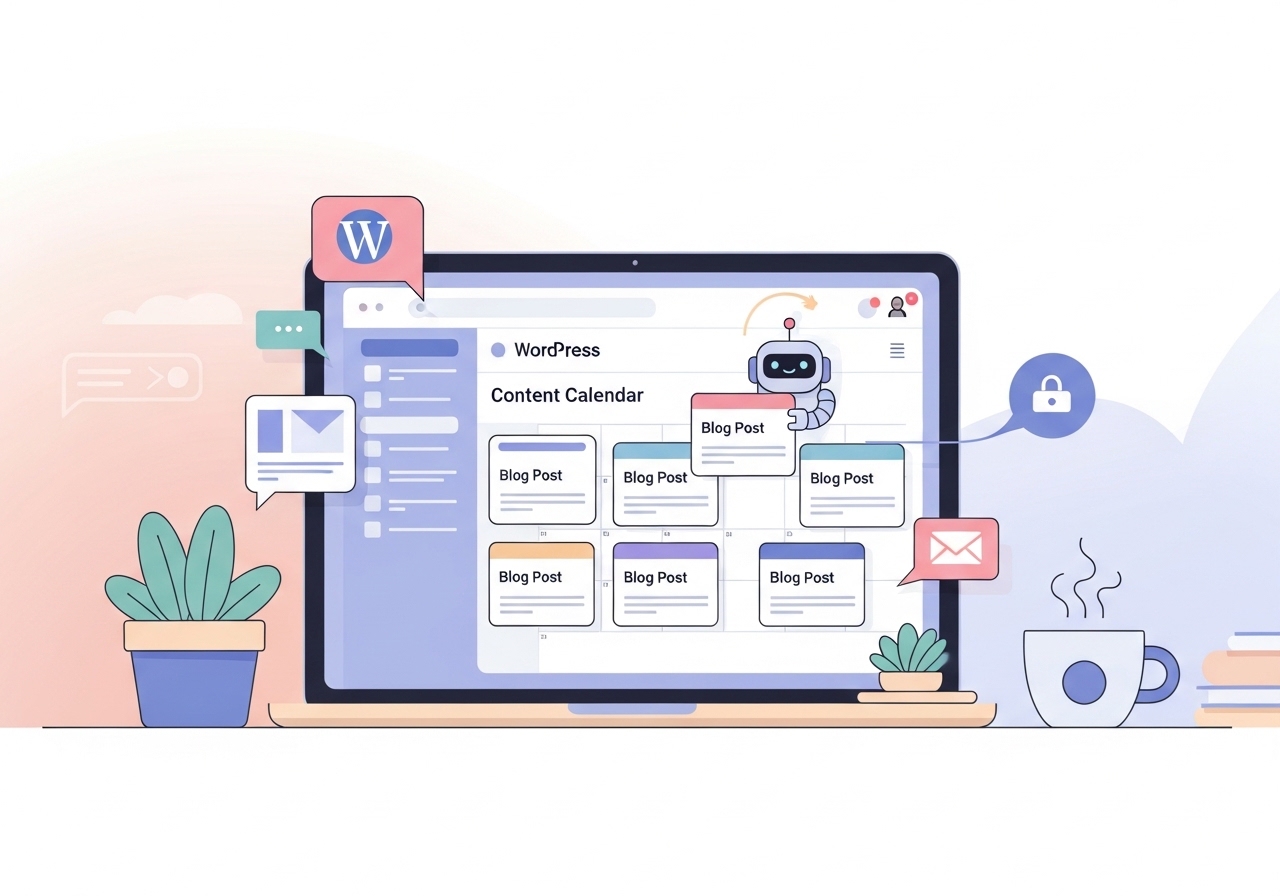
Tools that automate the content creation pipeline can handle everything from keyword research to final publication within WordPress. For marketing agencies and SaaS companies, this means a reliable stream of SEO-optimized content can be produced without daily manual oversight. This frees up the marketing manager and their team to focus on higher-level strategy, campaign analysis, and client relationships. By integrating a solution like Ascend, teams can ensure their content engine runs consistently, supporting organic growth goals that are central to their overall marketing management objectives.
Measuring Success: Essential Metrics for Marketing Managers
To prove effectiveness and justify budgets, marketing managers must focus on the right metrics. These key performance indicators (KPIs) provide a clear picture of how marketing activities contribute to business growth. Tracking these numbers is not just about reporting; it is about making informed decisions for future campaigns.
Some of the most important metrics include:
- Customer Acquisition Cost (CAC): The total cost of sales and marketing efforts required to acquire a new customer. A primary goal is to keep this number as low as possible relative to the customer’s value.
- Customer Lifetime Value (LTV): The total revenue a business can expect from a single customer account over the entire relationship. A healthy business model has an LTV that is significantly higher than its CAC, often by a ratio of 3:1 or more.
- Return on Investment (ROI): This measures the profitability of marketing efforts. It compares the revenue generated by a campaign to the cost of running it, providing a clear indicator of financial performance.
- Conversion Rate: The percentage of users who take a desired action, such as filling out a form, signing up for a trial, or making a purchase. Optimizing this rate is a constant focus for marketing teams.
By focusing on these core processes, functions, and technologies, marketing managers can build a predictable system for driving growth. The key is to balance strategic oversight with the efficient execution of tactics, using automation to handle repetitive work so the team can focus on what matters most.
Ready to put your content marketing on autopilot? Ascend fully automates your blog content, from keyword research and content calendars to writing and publishing daily, SEO-optimized articles right inside WordPress. Stop spending hours on content and start seeing consistent organic growth. Learn how Ascend can transform your content strategy.
Written by
Ascend
Ascend is an automated SEO engine for WordPress. It handles keyword research, writes high-quality, search-optimized content, and publishes it directly to your site, so your traffic can grow on autopilot. Learn more