
What Is a Word Start AI and How Does It Work?
A word start AI is a tool designed to generate text from a short prompt or a few keywords, helping writers overcome the initial challenge of a blank page. For marketing agencies and SaaS companies, these tools can significantly speed up the creation of first drafts for blog posts, social media updates, and ad copy. They function by using large language models (LLMs) to predict and assemble sentences that are contextually relevant to the user’s input.
Defining Word Start AI: From Prompt to Publication
At its core, a word start AI is a type of generative artificial intelligence focused on text. It uses complex algorithms trained on vast amounts of internet text to understand language, context, and style. When you provide a prompt, such as “write a paragraph about the benefits of content marketing,” the AI analyzes the request and generates a response. This process makes it possible for machines to learn from experience and perform tasks that are typically human-like, like writing. According to SAS, artificial intelligence allows machines to learn, adapt to new inputs, and handle tasks once reserved for people.
Think of it as an assistant that can quickly produce an outline or the first few paragraphs of an article. This initial output serves as a foundation that a human writer can then refine, edit, and expand upon. Instead of spending time brainstorming or structuring ideas from scratch, your team can start with a functional draft, saving valuable hours in the content creation process.
Key Capabilities of AI Writing Assistants
Modern AI writing tools offer more than just basic text generation. Their capabilities are designed to support various stages of the content workflow, making them useful for marketing teams and creative agencies. Key functions often include:
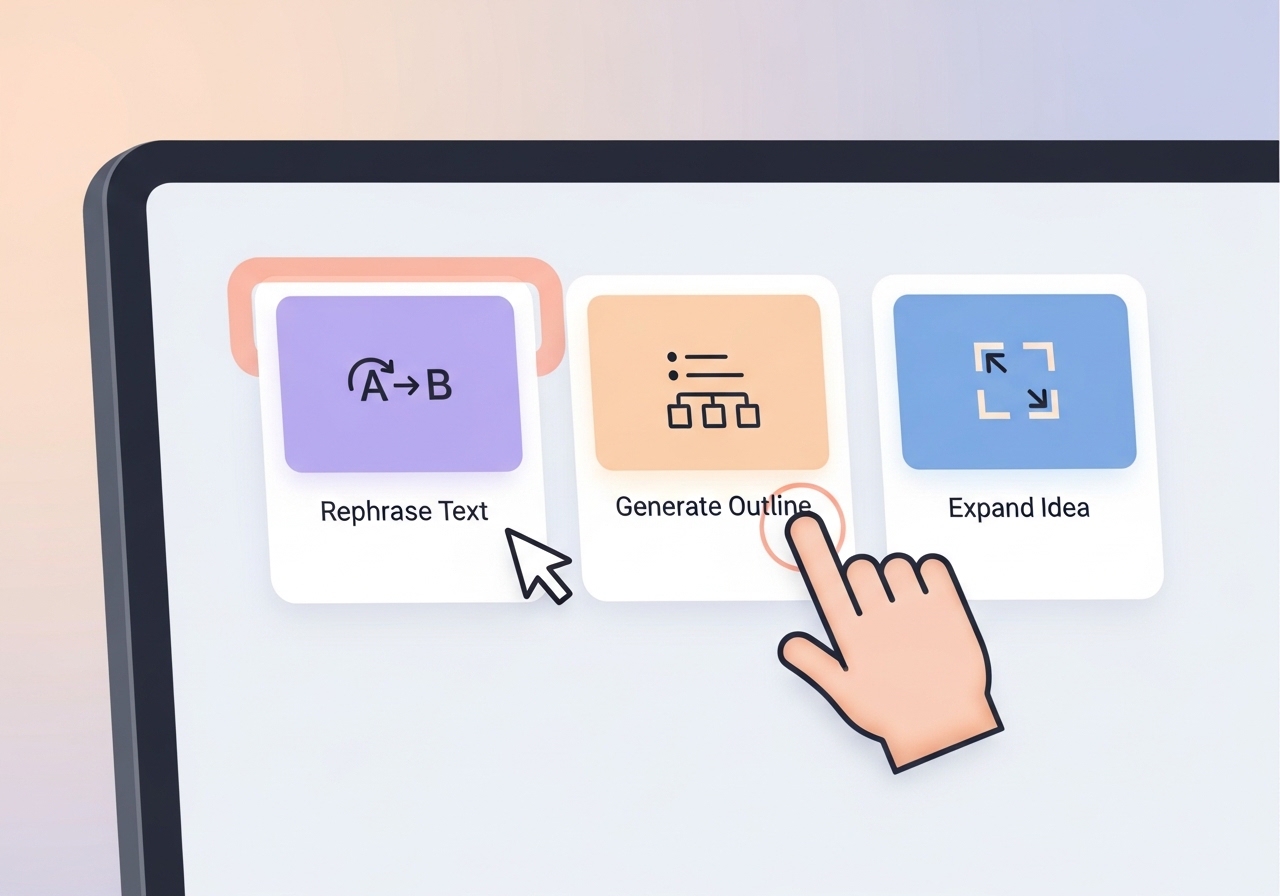
- Text Generation: The primary function is creating original text based on a prompt. This can range from a single sentence to a full article draft.
- Content Outlining: Many tools can generate a structured outline for a blog post or report, complete with headings and subheadings, which helps organize your thoughts before writing begins.
- Summarization: These AIs can condense long documents, articles, or reports into concise summaries, making it easier to grasp key points quickly.
- Tone and Style Adjustment: You can instruct the AI to rewrite text in a different tone. For example, it can make a professional paragraph sound more casual or turn a list of bullet points into a formal email.
- Idea Brainstorming: When you need fresh ideas, you can use the AI to generate lists of blog post topics, campaign slogans, or social media post angles based on a central theme.
How Agencies and SaaS Teams Use Word Start AI
For marketing agencies, SaaS companies, and creator platforms, efficiency and consistency are critical. A word start AI helps achieve both by streamlining repetitive writing tasks and enabling teams to scale their content output. By understanding the basics of AI content creation, teams can integrate these tools into their daily operations.
Practical applications for these audiences include:
- Accelerating Blog Post Drafting: Generate initial drafts for weekly or daily blog posts, allowing writers to focus their time on editing, adding unique insights, and ensuring brand alignment.
- Creating Ad Copy Variations: Quickly produce multiple versions of ad copy for A/B testing on platforms like Google Ads or Facebook. This helps optimize campaigns faster.
- Scaling Social Media Content: Draft dozens of social media posts for different platforms, tailored to specific formats and audience expectations.
- Brainstorming Email Campaigns: Use the AI to generate subject lines, body copy, and calls-to-action for newsletters and promotional emails. This is especially useful for creating effective content marketing for small businesses that may have limited resources.

Limitations and Considerations for AI Content Tools
While AI writing assistants are powerful, they are not a complete replacement for human writers and strategists. Understanding their limitations is key to using them effectively and responsibly. While AI can improve the accuracy of data analysis, the text it generates still requires careful review.
Here are some important considerations:
- Fact-Checking is Non-Negotiable: AI models can generate plausible-sounding but incorrect information, often called “hallucinations.” All facts, statistics, and claims must be verified by a human editor.
- Risk of Generic Content: Without specific guidance and heavy editing, AI-generated text can be generic and lack a distinct brand voice. It is important to refine the output to avoid common AI words that can make content feel impersonal.
- Human Oversight is Essential: The best results come from a partnership between human creativity and AI efficiency. An editor must review content for quality, originality, and strategic alignment.
- Potential for Plagiarism: Though rare with high-quality tools, AI models can sometimes generate text that is too similar to their training data. Always run content through a plagiarism checker before publishing.
Beyond Starting Words: Fully Automated Content with Ascend
A word start AI is an excellent tool for initiating the writing process. It helps with individual tasks. However, it still leaves a significant amount of manual work on the table, including keyword research, content planning, editing, formatting, and publishing. For teams that need to scale their SEO and content marketing without scaling their headcount, a more comprehensive solution is needed.
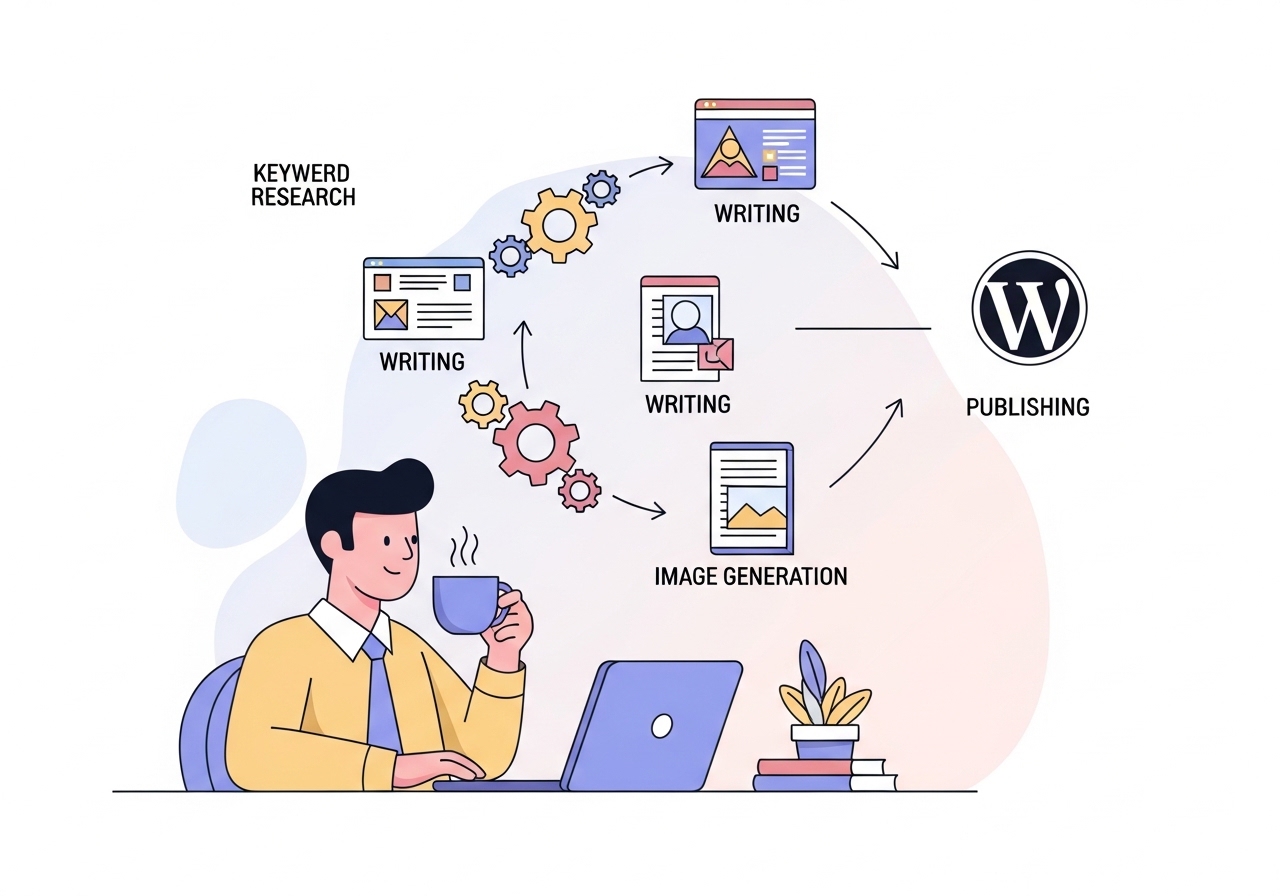
This is where Ascend provides a different approach. Ascend automates the entire blog content lifecycle directly within your WordPress dashboard. It moves beyond just starting words to manage the whole process:
- Strategy and Research: Ascend learns your brand and audience, then performs keyword research to build a 30-day content calendar tailored to your growth goals.
- Full-Scale Creation: It automatically writes a complete, high-quality blog post every day, including on-brand images and internal links.
- Seamless Publishing: Each article is published directly to your WordPress blog, with native integrations for popular SEO plugins.
While a word start AI gives you a block of marble, Ascend delivers the finished sculpture. It is designed for busy teams who need to drive organic traffic consistently without the daily, hands-on effort of managing a content pipeline.
AI-powered writing tools are valuable for overcoming writer’s block and increasing the speed of first-draft production. They empower marketers and agencies to handle discrete tasks more efficiently. However, to truly automate and scale an SEO content strategy, teams need a system that handles the entire workflow from research to publication. A tool like Ascend provides this end-to-end automation, freeing up your team to focus on high-level strategy instead of daily content operations. The right approach depends on whether you need help with a single task or want to automate a complete process.
Ready to move beyond manual content creation? Ascend fully automates your WordPress blog, from keyword research to daily publishing. See how you can grow organic traffic on autopilot and give your team hours back each week. Discover Ascend today.
Written by
Ascend
Ascend is an automated SEO engine for WordPress. It handles keyword research, writes high-quality, search-optimized content, and publishes it directly to your site, so your traffic can grow on autopilot. Learn more