
Subdomains and SEO: A Strategic Guide for Marketers
For most websites, using subdirectories is better for SEO than using subdomains because they consolidate authority and link equity to a single root domain. While search engines have improved at associating content across a main domain and its subdomains, they still often treat them as separate websites, which can divide your SEO efforts. This makes understanding the relationship between subdomains and SEO critical for any team building a content strategy designed for organic growth.
Choosing the right site structure is a foundational decision that impacts how search engines crawl, index, and rank your content. It influences user experience, site management, and the overall effectiveness of your marketing. For agencies and SaaS companies, where content is a primary driver of leads and conversions, this choice can have long-term consequences. Getting it wrong can mean building authority for two separate entities instead of one powerful domain.
What Is a Subdomain and How Do Search Engines View It?
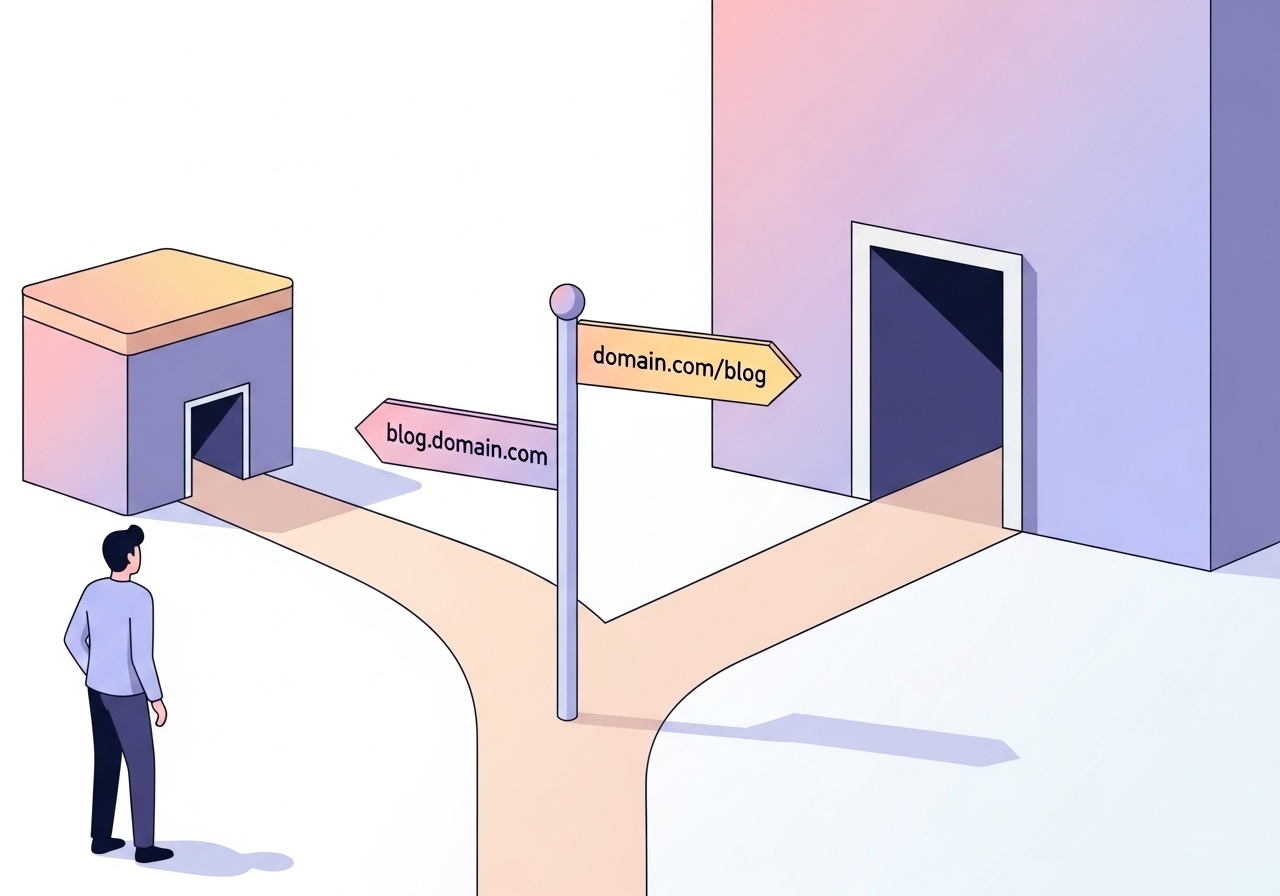
A subdomain is a prefix added to your main domain name, separated by a period. It functions as a distinct section of your website. For example, in blog.ascend.cv, “blog” is the subdomain of the root domain “ascend.cv.” In contrast, a subdirectory (or subfolder) exists within the main domain’s structure, like ascend.cv/blog. Think of it like a filing system: a subdirectory is a folder within your main filing cabinet, while a subdomain is an entirely separate filing cabinet.
Technically, they are handled differently. Subdomains can have their own DNS records, allowing them to be hosted on different servers or use entirely different platforms from the main site. This flexibility is one of their primary benefits.
From an SEO perspective, this separation is where the complexity begins. Google has stated that it is now better at understanding the relationship between subdomains and root domains. However, for years, the consensus has been that search engines largely treat them as separate entities. This means a subdomain often has to build its own authority from scratch. Backlinks pointing to blog.example.com will primarily benefit that subdomain, with less authority passed to www.example.com. As one expert analysis notes, this potential for diluting link equity is a significant factor in the debate.
The Core Debate: Subdomain vs. Subdirectory for SEO
The choice between a subdomain and a subdirectory comes down to a trade-off between organizational separation and SEO consolidation. For most businesses focused on building a cohesive brand presence and maximizing organic traffic, the subdirectory is the recommended path.
Here’s why subdirectories are often preferred for SEO:
- Consolidated Domain Authority: All content published in a subdirectory, whether it’s a blog post, a case study, or a new product page, directly contributes to the authority of the single root domain. This creates a powerful flywheel effect where every new piece of content strengthens the entire site.
- Shared Link Equity: When you earn a valuable backlink to a blog post at
example.com/blog/awesome-post, the “link juice” flows throughout the entireexample.comdomain. This helps your product pages, homepage, and other key assets rank higher. - Simplified Management: A single site structure is easier to manage. You have one analytics setup, one content management system (like WordPress), and a unified sitemap. This simplifies tracking, maintenance, and implementing strategies for scaling your content marketing.
On the other hand, subdomains are not inherently bad for SEO. Their value is determined by their strategic implementation. When used correctly, they offer clear organizational benefits without significant SEO drawbacks.
Strategic Scenarios for Using Subdomains Without Harming SEO
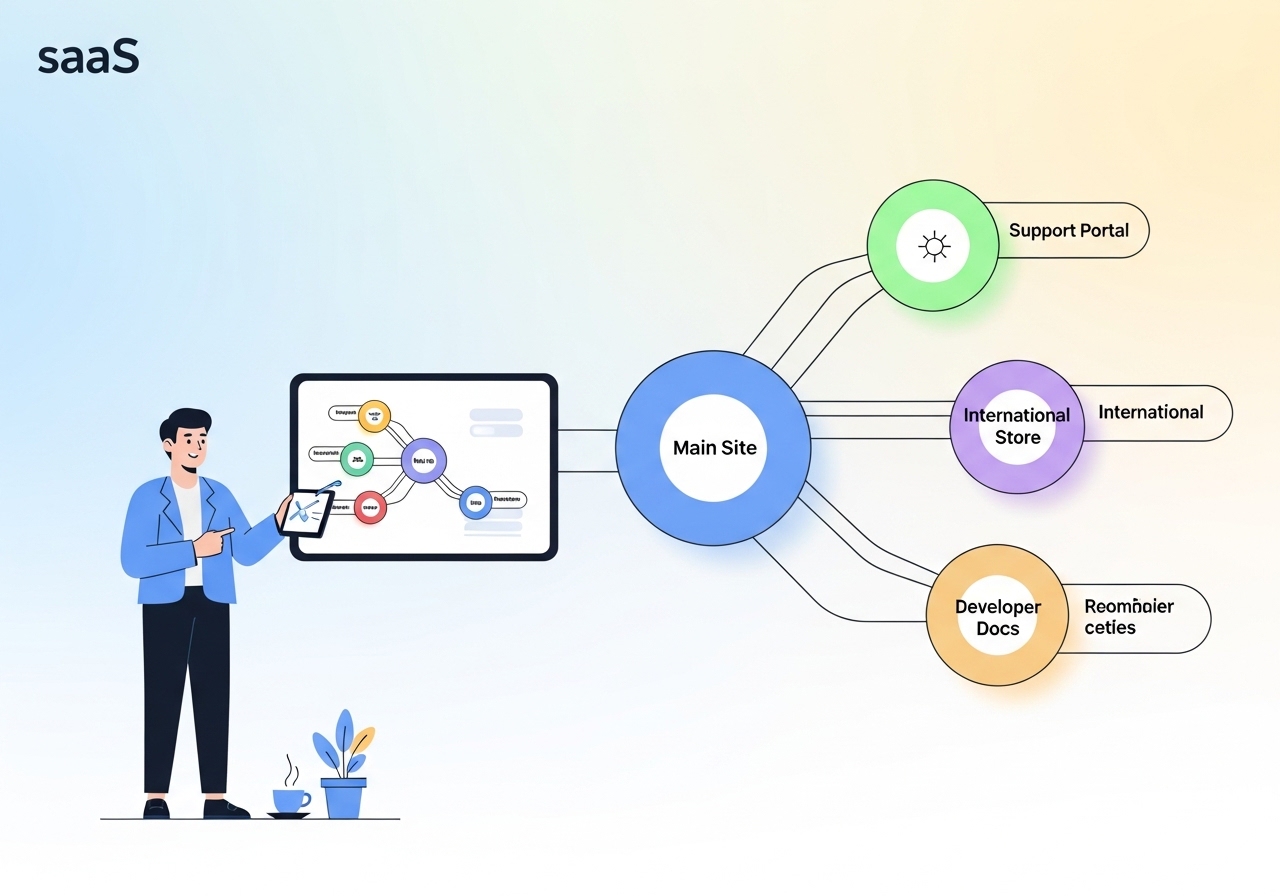
Despite the general preference for subdirectories, there are several common and strategically sound reasons to use a subdomain. These situations typically arise when a section of the website serves a fundamentally different purpose, audience, or technical function from the main corporate site.
Here are key scenarios where a subdomain is the right choice:
- Support Portals and Help Centers: Many companies use third-party software like Zendesk or Intercom for their customer support knowledge base. These platforms often require a subdomain (e.g.,
support.yourcompany.com). The content serves a different user intent (existing customers seeking help) than the main marketing site (prospects seeking solutions). - International Websites: Using subdomains to host different language or country versions of a site is a standard practice (e.g.,
de.example.comfor Germany). This allows for separate hosting in different regions and clear signaling to search engines via hreflang tags about the site’s geographic focus. - Distinct Business Lines or Brands: Large corporations often use subdomains for entirely separate divisions or brands. A famous example is
aws.amazon.com. In this case, AWS is a massive business in its own right, and the subdomain helps establish it as a distinct entity while maintaining a connection to the parent brand. This is a powerful form of brand extension seen across the tech industry. - E-commerce Stores on Different Platforms: If your main site is built on WordPress but your store runs on Shopify or BigCommerce, using
shop.yourcompany.comis a practical solution. It allows each platform to operate in its native environment without complex technical integrations. - Event-Specific Microsites or Campaigns: For a major annual conference or a short-term marketing campaign, a subdomain like
conference2024.example.comcan create a focused, branded experience without cluttering the main site’s navigation.
Best Practices for Managing Subdomains and SEO
If you determine that a subdomain is necessary for your business, you can take several steps to mitigate potential SEO disadvantages and help search engines understand the relationship with your main domain. The key is to manage the subdomain proactively, treating it as a valuable digital asset that requires its own attention.
Follow these best practices to align your subdomains and SEO goals:
- Verify Each Subdomain in Google Search Console: You should add and verify your root domain and each subdomain as separate properties in Google Search Console. This gives you direct access to performance data, indexing issues, and other critical insights for each entity, allowing you to monitor their health independently.
- Create Strong Cross-Linking: The University of Illinois branding guidelines recommend creating strong cross-linking between the main site and the subdomain. This means including clear, logical navigation links in the header or footer that connect the two. For example, your main site should link to “Support,” and your support portal should link back to your “Homepage.” These links pass some authority and help both users and search crawlers navigate your entire web presence.
- Build Authority and Promote Content Independently: A subdomain must be treated as its own website in terms of promotion. As one SEO analysis explains, its value comes from what you do with it. You’ll need a dedicated strategy to build backlinks directly to the subdomain’s content. Don’t assume authority from the root domain will automatically carry over.
- Maintain a Consistent User Experience: While the subdomain may serve a different function, it should still feel like it’s part of the same brand. Use the same logo, color palette, and general design language. A jarring transition between
www.example.comandsupport.example.comcan confuse users and erode trust.
Ultimately, the decision between a subdirectory and a subdomain is a strategic one. For most content marketing, including blogs aimed at attracting new customers, a subdirectory is the superior choice for consolidating SEO power. It ensures every piece of content you create contributes to strengthening a single, authoritative domain. Reserve subdomains for situations where there is a clear business, technical, or branding need for separation. By understanding how search engines view each structure, you can architect your site to achieve your long-term organic growth goals.
Deciding on site architecture is just one part of a winning content strategy. The other is creating high-quality, SEO-optimized content consistently. Ascend automates the entire process, from keyword research and content calendars to writing and publishing daily blog posts directly in your WordPress dashboard. Stop spending hours on content creation and start focusing on growth. Discover how Ascend can automate your blog.
Written by
Ascend
Ascend is an automated SEO engine for WordPress. It handles keyword research, writes high-quality, search-optimized content, and publishes it directly to your site, so your traffic can grow on autopilot. Learn more