
How to Make Money Blogging: A Guide for Agencies and SaaS
To make money blogging, you must create valuable content that attracts a specific audience and then monetize that traffic through methods like affiliate marketing, selling products, or generating leads for your services. For agencies and SaaS companies, a blog is not just a publication but a strategic business asset that drives measurable revenue when approached correctly. It requires a clear strategy, consistent execution, and a deep understanding of your audience’s needs.
A profitable blog is the result of a deliberate process. It starts with establishing authority and building an audience, which becomes the foundation for various income streams. This guide walks through the essential steps for turning your company blog into a reliable source of growth, tailored for the unique goals of marketing agencies and software businesses.
Step 1: Define Your Niche and Target Audience
Before writing a single post, you must identify your specific area of expertise and the audience you want to reach. A blog that tries to be for everyone will ultimately appeal to no one. A focused niche allows you to create highly relevant content that addresses specific problems, making it easier to attract and retain a loyal readership. For a marketing agency, a niche might be “content marketing for B2B fintech companies.” For a SaaS tool, it could be “productivity hacks for remote development teams.”
Defining your audience involves creating detailed personas. Understand their job titles, challenges, goals, and where they look for information. This clarity informs every decision, from topic selection to the tone of your writing. A deep understanding of your audience is the first step toward creating content they will find valuable enough to act upon. This focus also simplifies the process of finding the right niche keywords that attract high-intent visitors.
Step 2: Build a Content Strategy Focused on Authority
Your ability to make money blogging is directly tied to the trust you build with your audience. This trust comes from consistently publishing high-quality, authoritative content. A content strategy provides a roadmap for what to create, when to publish it, and how it aligns with your business objectives. It turns random acts of content into a systematic process for building an audience.
Your strategy should be built around topic clusters, where you create a comprehensive “pillar” page on a broad topic and support it with multiple “cluster” articles that go into detail on related subtopics. This structure signals your expertise to both readers and search engines. A consistent publishing schedule is also vital. Whether you publish daily, weekly, or bi-weekly, reliability keeps your audience engaged and coming back. A systematic approach to building a scalable content creation workflow is essential for maintaining this consistency. This structured effort helps you increase organic traffic over time, which is the fuel for any monetization model.
Step 3: Implement Affiliate Marketing for Relevant Products
Affiliate marketing is one of the most common ways to monetize a blog. It involves promoting other companies’ products or services and earning a commission for any sales or leads generated through your unique affiliate link. For agencies and SaaS companies, this is a natural fit. You can recommend the software, tools, and platforms you already use and trust in your daily operations.
Success with affiliate marketing depends on relevance and authenticity. Only promote products that genuinely benefit your audience and align with your content. For example, a project management SaaS blog could become an affiliate for complementary tools like time trackers or communication platforms. According to industry experts at Wix, authentic recommendations are key to converting readers. Disclose your affiliate relationships clearly to maintain trust. Integrate these links naturally within your tutorials, reviews, and comparison posts rather than just listing them.

Step 4: Create and Sell Your Own Digital Products
Selling your own digital products offers higher profit margins and greater control than affiliate marketing. It solidifies your authority by packaging your expertise into a valuable resource. For a business blog, digital products can be a powerful way to generate revenue while providing immense value to your audience.
Common digital products include:
- Ebooks: In-depth guides on topics your audience cares about.
- Online Courses: Structured video or text-based lessons that teach a specific skill.
- Templates: Pre-built resources like marketing plan templates, report dashboards, or legal contract templates for agencies.
- Webinars or Workshops: Live or recorded training sessions on a specialized topic.
Creating your own products, as noted by organizations like AWAI, directly monetizes your expertise. Start by identifying a common and significant problem your audience faces. Create a product that provides a clear solution. Your blog content can then be used to promote this product by addressing related topics and guiding readers toward your paid solution.

Step 5: Offer Consulting or Agency Services
For marketing agencies, consultants, and service-based businesses, the blog is a primary engine for lead generation. Your articles demonstrate your expertise and attract potential clients who are already looking for solutions to problems you can solve. Every well-written post acts as a salesperson, working 24/7 to prove your value.
To use your blog for lead generation, make it easy for readers to take the next step. Include clear calls-to-action (CTAs) within and at the end of your posts. These CTAs could invite readers to:
- Schedule a free consultation.
- Request a custom quote.
- Download a case study that showcases your results.
- Sign up for a webinar where you demonstrate your process.
The content should pre-qualify your leads. By writing about the sophisticated challenges your ideal clients face, you attract readers who appreciate and are willing to pay for your level of expertise.
Step 6: Know How to Make Money Blogging by Driving Product Sales
For a SaaS company, the blog’s primary purpose is often to drive new user sign-ups and product sales. Content marketing supports the entire customer journey, from awareness to conversion. The key is to create content that solves problems your product is designed to address, without turning every post into a hard sell.
A successful SaaS blog focuses on top-of-funnel and middle-of-funnel topics. Write articles that help your target audience do their jobs better, then naturally introduce your product as a tool that can help. For instance, a social media scheduling tool could publish articles about social media strategy, content creation tips, and analytics. Within these posts, you can show how your software simplifies the processes being discussed. The goal is to be helpful first, which builds the trust needed to convert a reader into a customer.
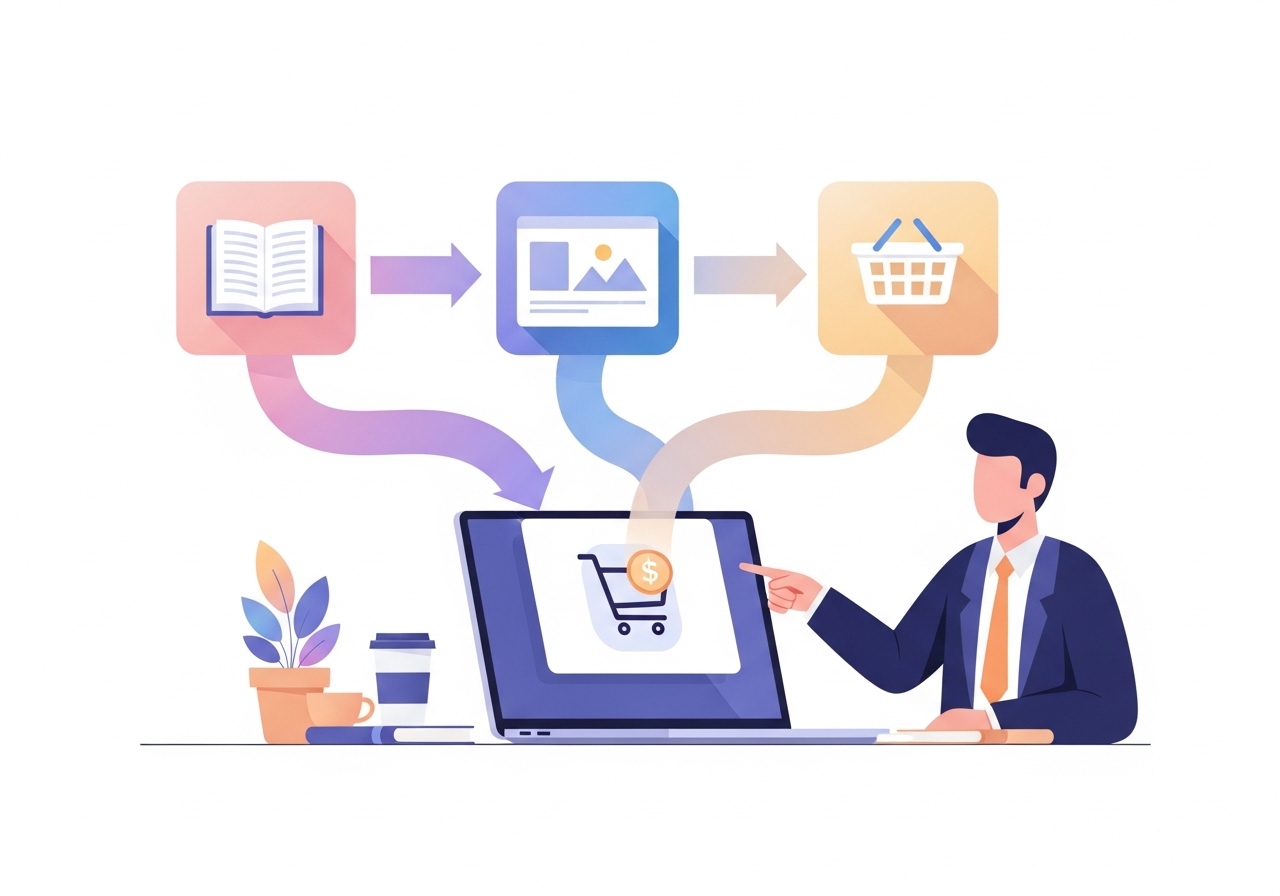
Step 7: Analyze Performance and Optimize for Revenue
Monetizing a blog is not a “set it and forget it” activity. You must continuously track your performance to understand what works and what does not. Use analytics tools to monitor key metrics like traffic, conversion rates, and revenue per page. This data will reveal which topics resonate most, which monetization methods are most effective, and where your opportunities for growth are.
Pay close attention to:
- Top-performing posts: Identify which articles drive the most traffic and conversions. Update and improve them, and create more content on similar topics.
- Conversion rates on CTAs: Test different wording, formats, and offers to see what encourages more clicks and sign-ups.
- Affiliate link performance: Track clicks and commissions for each affiliate product. Promote the most profitable ones more heavily.
- Digital product sales: Analyze which products are most popular and gather feedback from customers to improve them.
By regularly reviewing this data, you can make informed decisions to optimize your strategy and increase your blog’s profitability over time.
Ultimately, knowing how to make money blogging is about building a sustainable system. It starts with providing genuine value to a well-defined audience. From there, you can introduce multiple revenue streams that align with your content and your audience’s needs. Whether you are generating leads for an agency or driving subscriptions for a SaaS product, a strategic blog is one of the most powerful assets for business growth.
Creating a profitable blog requires a consistent, high-volume content strategy. Ascend fully automates your WordPress blog, from keyword research and content calendars to writing and publishing daily, on-brand articles. Grow your organic traffic without the manual work. Discover how Ascend can automate your content strategy.
Written by
Ascend
Ascend is an automated SEO engine for WordPress. It handles keyword research, writes high-quality, search-optimized content, and publishes it directly to your site, so your traffic can grow on autopilot. Learn more