
Bandwagon in Advertising Examples: How Brands Create FOMO
The best bandwagon in advertising examples use social proof, such as customer testimonials or user counts, to persuade potential buyers that a product is a popular and desirable choice. This psychological tactic taps into the human desire to belong and the fear of missing out (FOMO). By showing that “everyone” is using a product, brands create a sense of trust and urgency that can significantly influence purchasing decisions.
What Is the Bandwagon Effect in Marketing?
The bandwagon effect is a cognitive bias where individuals adopt certain behaviors or beliefs primarily because many other people are doing so. In marketing, this translates to consumers choosing a product or service because it appears to be the popular option. It’s less about the item’s specific attributes and more about its perceived social validation. When a brand successfully creates a bandwagon, it suggests that choosing their product is the correct, safe, and socially accepted decision.
This strategy is effective because it simplifies the decision-making process for consumers. Instead of conducting extensive research, a person might rely on the “wisdom of the crowd” as a mental shortcut. If thousands of people have already purchased something, the assumption is that it must be good. Marketers tap into this desire to join a trend by highlighting a product’s popularity, making it seem like an inevitable and widespread movement that people would not want to be left out of.
Why the Bandwagon Approach Is Effective
The bandwagon approach works by leveraging fundamental human psychology. It’s a powerful tool because it triggers deep-seated needs for social connection and validation. When executed properly as part of a broader advertising strategy, it can drive significant results. The core reasons for its effectiveness include:
- Creates Social Proof: Seeing others use and endorse a product builds credibility. It serves as an implicit recommendation, signaling that the product is trustworthy and delivers on its promises.
- Generates Fear of Missing Out (FOMO): Highlighting a product’s widespread adoption can make potential customers feel they might miss a valuable opportunity or experience. Research confirms a strong link between the bandwagon effect and FOMO, which creates a sense of urgency to buy.
- Simplifies Decision-Making: In a market saturated with choices, the bandwagon effect offers a simple heuristic. Customers can bypass complex analysis by trusting the collective judgment of others, reducing cognitive load.
- Accelerates Adoption Rates: Once a product reaches a certain level of popularity, its growth can become self-sustaining. New customers join because of its existing user base, which in turn attracts even more users, creating a snowball effect.
Famous Bandwagon in Advertising Examples
Many of the world’s most successful brands have used bandwagon advertising to cement their market position. These campaigns often focus on showing, not just telling, how popular a product is. By observing these examples, marketers can understand how to apply the principles to their own campaigns.

McDonald’s: “Over 99 Billion Served”
One of the most classic bandwagon examples is the sign McDonald’s used to display under its golden arches. By stating “Over 99 Billion Served,” the company wasn’t just sharing a sales statistic; it was making a powerful statement about its immense popularity. This number communicates trust and reliability on a massive scale. The implied message is clear: if billions of people have chosen McDonald’s, it must be a good choice. This simple phrase reassures new customers that they are making a safe and popular decision.
Apple: The White Earbuds Phenomenon
Apple rarely uses explicit bandwagon claims, but its marketing and product design achieve the same effect. In the early 2000s, the distinct white earbuds of the iPod became a status symbol. Seeing countless people wearing them created an organic bandwagon effect. The earbuds were a visual signal that you were part of the “in-crowd.” This visual ubiquity did more to drive sales than any traditional ad could. People wanted an iPod not just for the music but to participate in the cultural moment the white earbuds represented.
Maybelline: “Maybe she’s born with it. Maybe it’s Maybelline.”
This iconic slogan is a subtle form of bandwagon advertising. It suggests that Maybelline is the secret behind a desirable, natural look that many people admire. By positioning its product as the go-to choice for achieving this look, the brand implies that countless people are already using it. It creates an aspirational group that customers can join by purchasing the product. The campaign creates a sense of a shared secret among its users, making it an appealing club to join.
Proactiv: Celebrity Endorsements and Testimonials
Skincare brand Proactiv built its empire on a bandwagon strategy fueled by celebrity endorsements and customer testimonials. Commercials featured famous singers and actors alongside everyday users, all sharing their success stories. This combination created a powerful two-part message: “This product is popular with people you admire, and it works for regular people like you.” The sheer volume of testimonials created an overwhelming sense of social proof, suggesting that Proactiv was the most trusted solution for acne.
How to Ethically Use the Bandwagon Effect
While powerful, the bandwagon effect must be used authentically to maintain long-term customer trust. Modern consumers are savvy and can spot manufactured hype. Misleading claims will ultimately damage a brand’s reputation. The key is to build a genuine bandwagon based on real customer satisfaction and transparent data. This is a core component of SEO content marketing, where trust and authority are paramount.
Here are several ethical ways to incorporate this effect into your marketing:
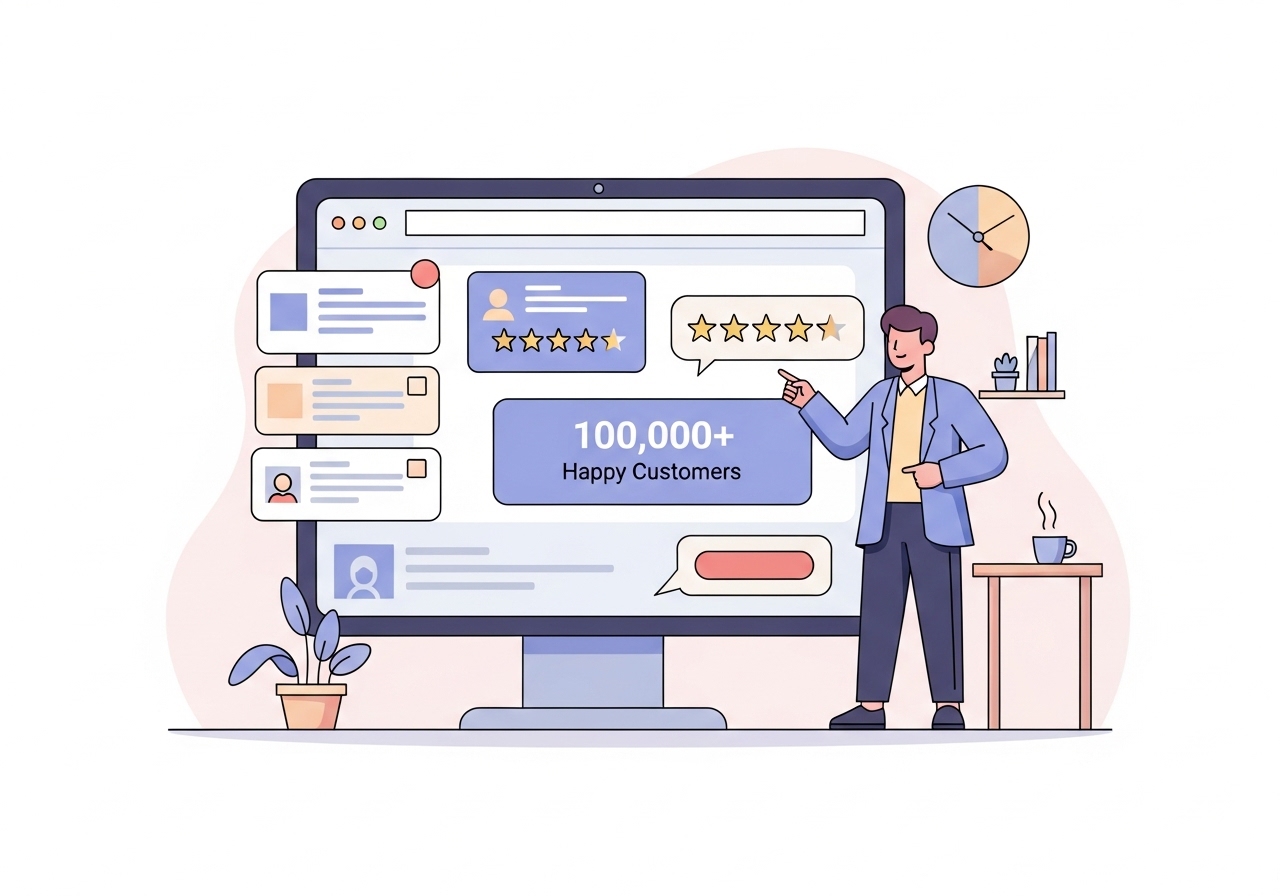
- Showcase Real Numbers: Instead of vague claims like “America’s favorite,” use specific, verifiable numbers. Phrases like “Join 100,000+ satisfied customers” or “Trusted by teams at 500+ companies” are both compelling and transparent.
- Leverage Authentic Testimonials and Reviews: Display reviews from real customers on your website and third-party platforms. Video testimonials and detailed case studies are particularly effective because they provide in-depth, relatable proof of value.
- Highlight Media Mentions and Awards: If your product has been featured in reputable publications or has won industry awards, promote it. This “expert” validation serves as another form of social proof, signaling quality and credibility.
- Promote User-Generated Content (UGC): Encourage customers to share their experiences with your product on social media. Featuring UGC in your marketing materials shows real people actively using and enjoying your product, which is often more persuasive than branded content.
- Use Phrases That Signal Popularity: Wording like “bestseller,” “most popular,” or “customer favorite” can guide new users toward proven choices. Brands often use these labels to highlight products that have already gained significant traction.
The bandwagon effect is a potent psychological tool that can significantly boost a brand’s growth when used correctly. The most successful bandwagon in advertising examples are rooted in genuine popularity and customer satisfaction. By showcasing real social proof through testimonials, user counts, and positive reviews, you can create a compelling narrative that encourages new customers to join your growing community. The goal is not to create hype but to amplify the authentic enthusiasm of your existing customers.
Creating compelling, high-quality content that builds social proof takes time and resources. Ascend automates your entire blog content strategy, from keyword research and content calendars to writing and publishing daily, on-brand articles directly to your WordPress site. Stop spending hours on content creation and start seeing organic growth. Discover how Ascend can put your content marketing on autopilot.
Written by
Ascend
Ascend is an automated SEO engine for WordPress. It handles keyword research, writes high-quality, search-optimized content, and publishes it directly to your site, so your traffic can grow on autopilot. Learn more