
A Strategic Guide to Blogging for Money
Blogging for money involves creating valuable content for a specific audience and then monetizing that traffic through methods like affiliate marketing, display advertising, or selling products and services. A successful blog operates like any other business. It requires a clear strategy, a deep understanding of its customers (readers), and a product (content) that solves a real problem. For agencies and SaaS companies, a monetized blog can become a powerful asset for lead generation and brand authority.
Key Monetization Models for Professional Blogs
Before writing a single word, you must decide how your blog will generate revenue. Your monetization strategy will influence your content, your audience, and your promotional efforts. The most common and effective models are built around traffic and authority.
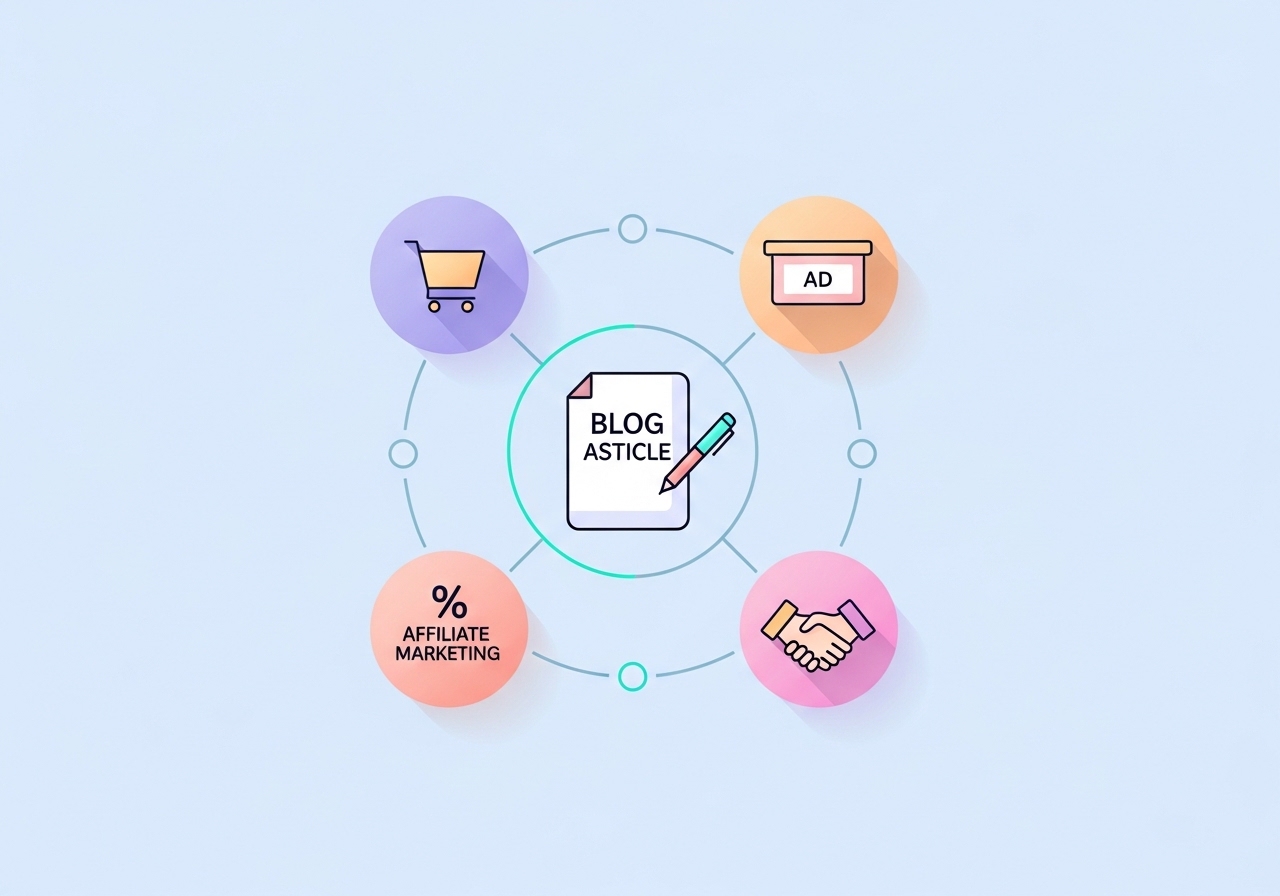
- Affiliate Marketing: This involves recommending products or services and earning a commission for any sales generated through your unique affiliate link. It works best when you have an audience that trusts your recommendations and you promote products that are directly relevant to your content.
- Display Advertising: Placing ads on your website through networks like Google AdSense or premium networks like Mediavine is a straightforward way to earn passive income. Revenue is typically based on page views or ad clicks, so this model requires substantial traffic to be profitable.
- Selling Products or Services: Many businesses use a blog to sell their own offerings. This can include digital products like ebooks and courses, physical products, or professional services like consulting. The blog acts as a top-of-funnel marketing channel, attracting potential customers with helpful content.
- Sponsored Content: As your blog gains authority, brands may pay you to publish articles or reviews that feature their products. This requires transparency with your audience to maintain trust, but it can be a lucrative option for blogs with a dedicated following in a specific niche.
Identifying a Profitable Niche and Target Audience
General-interest blogs are difficult to monetize because their audience is too broad. A profitable blog focuses on a specific niche. This allows you to attract a dedicated readership with shared problems and interests, making it easier to offer targeted solutions they are willing to pay for. When selecting a niche, consider three factors: your expertise, audience demand, and commercial viability.
Use keyword research tools to validate demand. Research shows that bloggers earning over $50,000 annually are significantly more likely to conduct keyword research. Look for topics with a healthy search volume but manageable competition. Analyze keywords with commercial intent, such as those including terms like “best,” “review,” or “alternative.” These searches indicate a user is closer to making a purchasing decision, which is valuable for affiliate marketing or selling your own products.
How to Create Content That Attracts and Converts
High-quality content is the engine of a profitable blog. Your articles must be well-researched, genuinely helpful, and optimized for search engines. Each piece of content should have a specific purpose tied to your monetization strategy. For example, a product review is designed to drive affiliate sales, while a detailed how-to guide can attract new readers and email subscribers. Many teams are now using AI for content creation to produce this content more efficiently.

- Perform Keyword Research: Every post should target a primary keyword that your audience is searching for. Identify the searcher’s intent behind the keyword and create content that fully answers their question.
- Structure for Readability: Use clear headings, short paragraphs, bullet points, and images to break up text. A well-structured article is easier for users to read and for search engines to understand.
- Include a Call-to-Action (CTA): Tell your readers what to do next. Your CTA might be to click an affiliate link, subscribe to your newsletter, or check out your product page. A clear CTA transforms a passive reader into an active prospect.
Beyond Writing: The Strategic Side of Blogging for Money
Simply publishing content is not enough. A successful blog requires a strategic approach to growth and audience engagement. Focus on activities that build your blog as a business asset, as outlined in guides on how to start a blog as a business. One of the most important activities is building an email list. An email list gives you a direct communication channel to your most engaged readers, independent of search engine algorithms or social media platforms.
Content promotion is another critical task. Share your new articles on relevant social media channels, in online communities, and with your email subscribers to generate initial traffic. Building a repeatable system is key to scaling content marketing effectively. Building relationships with other creators in your niche can also lead to valuable backlinks and collaboration opportunities, which improves your site’s SEO authority over time. Finally, regularly analyze your traffic data to understand what content resonates with your audience and where your visitors are coming from. This information helps you refine your content strategy and double down on what works.
Scaling Your Blog’s Revenue with Automation
Consistency is fundamental to blogging for money. Search engines favor websites that publish fresh, relevant content regularly. For busy marketing teams and agencies, maintaining a consistent publishing schedule can be a significant challenge. This is where automation becomes a strategic advantage.
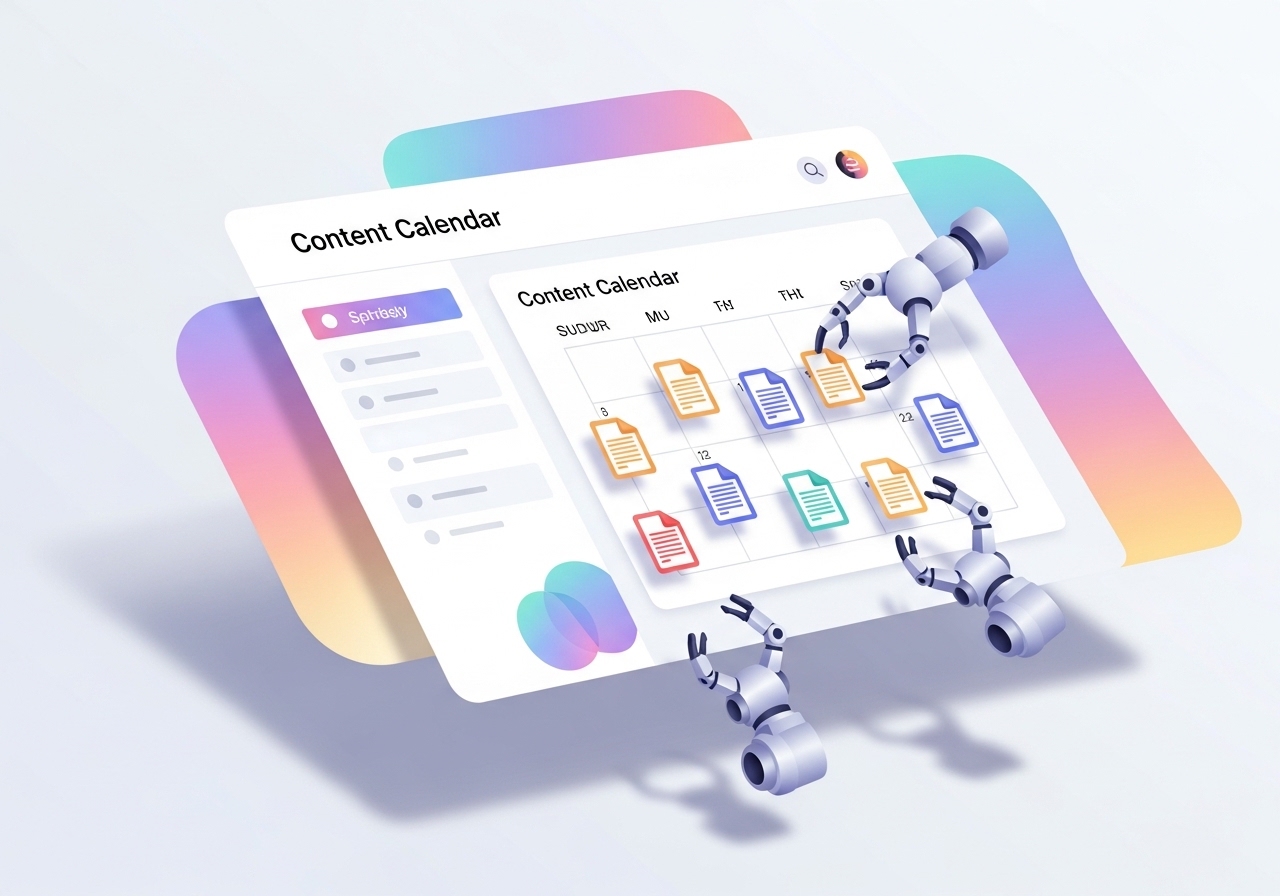
Tools that automate content creation can handle the entire process from keyword research and calendar planning to writing and publishing. For example, Ascend integrates directly into your WordPress dashboard to learn your brand voice, conduct keyword analysis, and automatically publish a high-quality, SEO-optimized post every day. By automating the time-consuming aspects of content production, your team can focus on high-level strategy, promotion, and building business relationships.
Building a profitable blog is a systematic process, not a matter of luck. Start by selecting a clear monetization model and identifying a specific audience. Then, focus on consistently creating high-quality, SEO-driven content that solves their problems. By implementing systems, analyzing your results, and using automation to handle repetitive tasks, you can build a reliable revenue stream for your business.
Ready to make high-quality, SEO-driven content the most hands-off part of your marketing strategy? Ascend fully automates your blog, from keyword research to daily publishing, right inside WordPress. See how you can scale your organic traffic without scaling your workload. Learn more about Ascend.
Written by
Ascend
Ascend is an automated SEO engine for WordPress. It handles keyword research, writes high-quality, search-optimized content, and publishes it directly to your site, so your traffic can grow on autopilot. Learn more