
A Practical Guide to Blogging for Small Business
Effective blogging for small business is a strategic investment that drives organic traffic, builds brand authority, and generates qualified leads without the cost of paid advertising. For marketing agencies, SaaS companies, and other growing businesses, a well-executed blog becomes a primary asset for attracting and converting customers. It works by consistently publishing content that answers your audience’s questions, which helps your website rank higher in search engine results for relevant queries.
Why Blogging is a Non-Negotiable for Small Businesses
A business blog is much more than a simple collection of articles. It is a dynamic tool that directly contributes to growth by addressing several key marketing objectives at once. When managed correctly, it becomes the engine of your inbound marketing efforts, attracting potential customers to your website and building a foundation of trust long before they consider a purchase.
The benefits are clear and measurable. A consistent blogging practice can significantly impact your bottom line through several mechanisms:
- Improved Search Engine Optimization (SEO): Every blog post is a new opportunity to rank on search engines like Google. By targeting specific keywords your audience is searching for, you increase your website’s visibility. This creates a sustainable source of organic visitors, which is a core component of learning how to improve your website traffic over time. Search engines favor fresh, relevant content, and a blog is the perfect format for delivering it.
- Qualified Lead Generation: A blog attracts people actively seeking solutions to problems your business can solve. By providing valuable information, you capture their interest and can guide them toward a call-to-action. According to industry data, companies that maintain a blog generate significantly more monthly leads than those that do not. This makes blogging specifically for lead generation a highly effective strategy.
- Established Industry Authority: Regularly publishing insightful, well-researched content positions your company as an expert in its field. This builds trust with your audience. When customers see you as a credible source of information, they are more likely to choose your products or services when they are ready to buy. This authority is a competitive advantage that is difficult for others to replicate.
- Content for Other Marketing Channels: A single blog post can be repurposed into dozens of smaller content pieces. You can create social media updates, email newsletters, infographics, and even video scripts from one article. This extends the life of your content and ensures your marketing messages are consistent across all platforms.
Key Elements of a Successful Small Business Blog
Simply publishing articles is not enough to achieve meaningful results. A successful blog is built on a foundation of strategy and quality. It requires a thoughtful approach that aligns content creation with business goals and audience needs. Without these core elements, even the most well-written content can fail to find its audience or drive action.
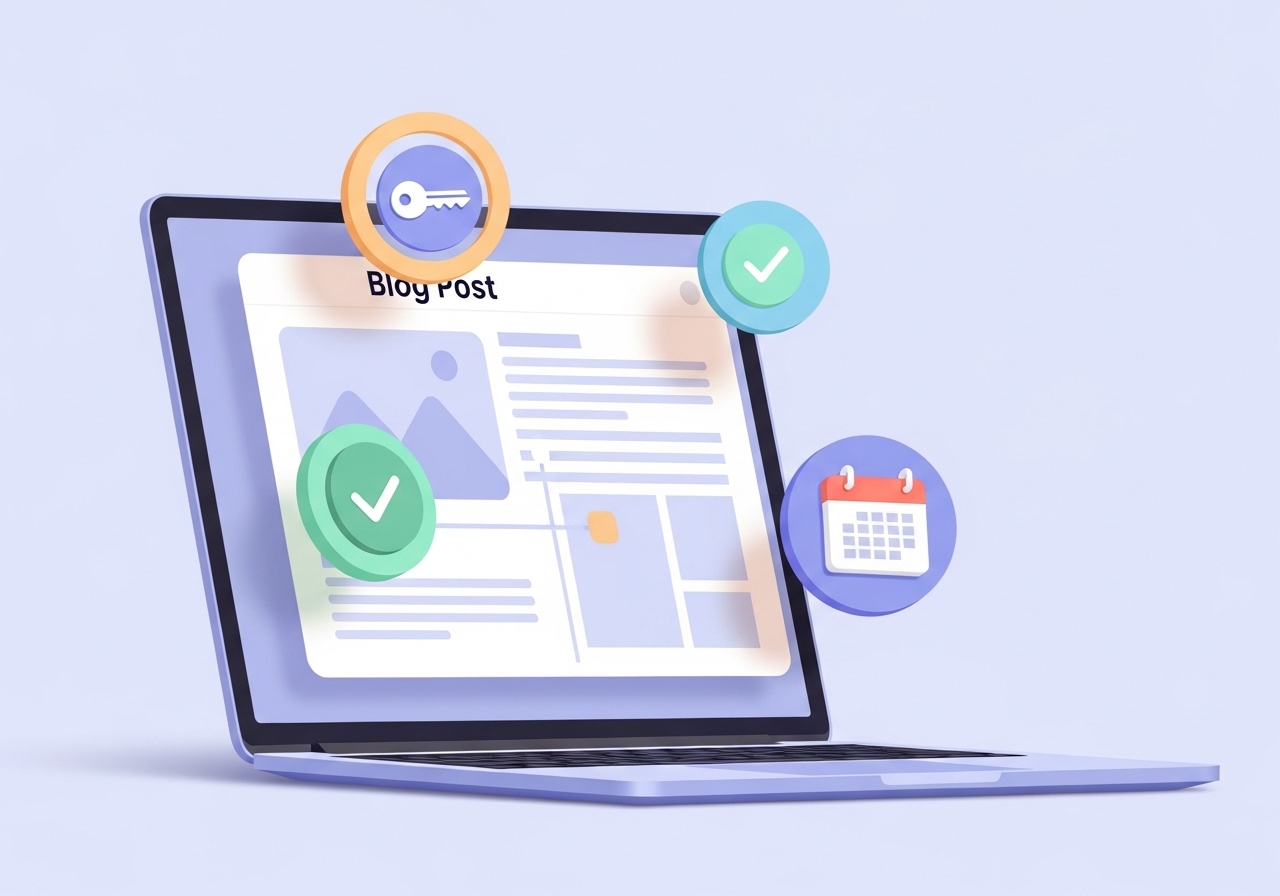
To ensure your blogging efforts are effective, focus on these critical components:
- Deep Audience Understanding: Before writing a single word, you must know who you are writing for. What are their biggest challenges? What questions are they asking? Create detailed audience personas to guide your content topics and tone.
- Strategic Keyword Research: Identify the search terms your potential customers use. Use keyword research tools to find topics with sufficient search volume and manageable competition. This data-driven approach ensures your content aligns with actual user intent.
- High-Quality, Valuable Content: Your content must be more than just SEO-optimized text. It needs to be genuinely helpful, insightful, and comprehensive. Aim to create the best possible resource on the internet for any given topic you cover.
- A Consistent Publishing Schedule: Whether you publish daily, weekly, or bi-weekly, consistency is key. A regular schedule signals to both search engines and your audience that your blog is an active, reliable source of information.
- Clear Calls-to-Action (CTAs): Every blog post should guide the reader on what to do next. This could be downloading a resource, signing up for a newsletter, or requesting a demo. The CTA should be relevant to the post’s topic.
Building a Content Strategy for Small Business Blogging
A content strategy is the roadmap that connects your blogging activities to your business objectives. It prevents you from creating random content and ensures every article serves a purpose. For agencies and SaaS companies with limited resources, a clear strategy maximizes the return on every hour invested in content creation.
Follow these steps to develop a practical and effective strategy:
- Define Your Business Goals: What do you want the blog to achieve? Common goals include increasing brand awareness, generating marketing-qualified leads, or improving customer retention. Your goals will determine your key performance indicators (KPIs).
- Identify Core Content Pillars: Choose three to five broad topic areas that are central to your business and your audience’s interests. For a productivity SaaS, these pillars might be “team collaboration,” “project management,” and “workflow automation.” All your blog posts should fall under one of these pillars.
- Map the Customer Journey: Create content for each stage of the buyer’s journey. Awareness-stage content answers broad questions, consideration-stage content compares solutions, and decision-stage content highlights your product’s specific benefits.
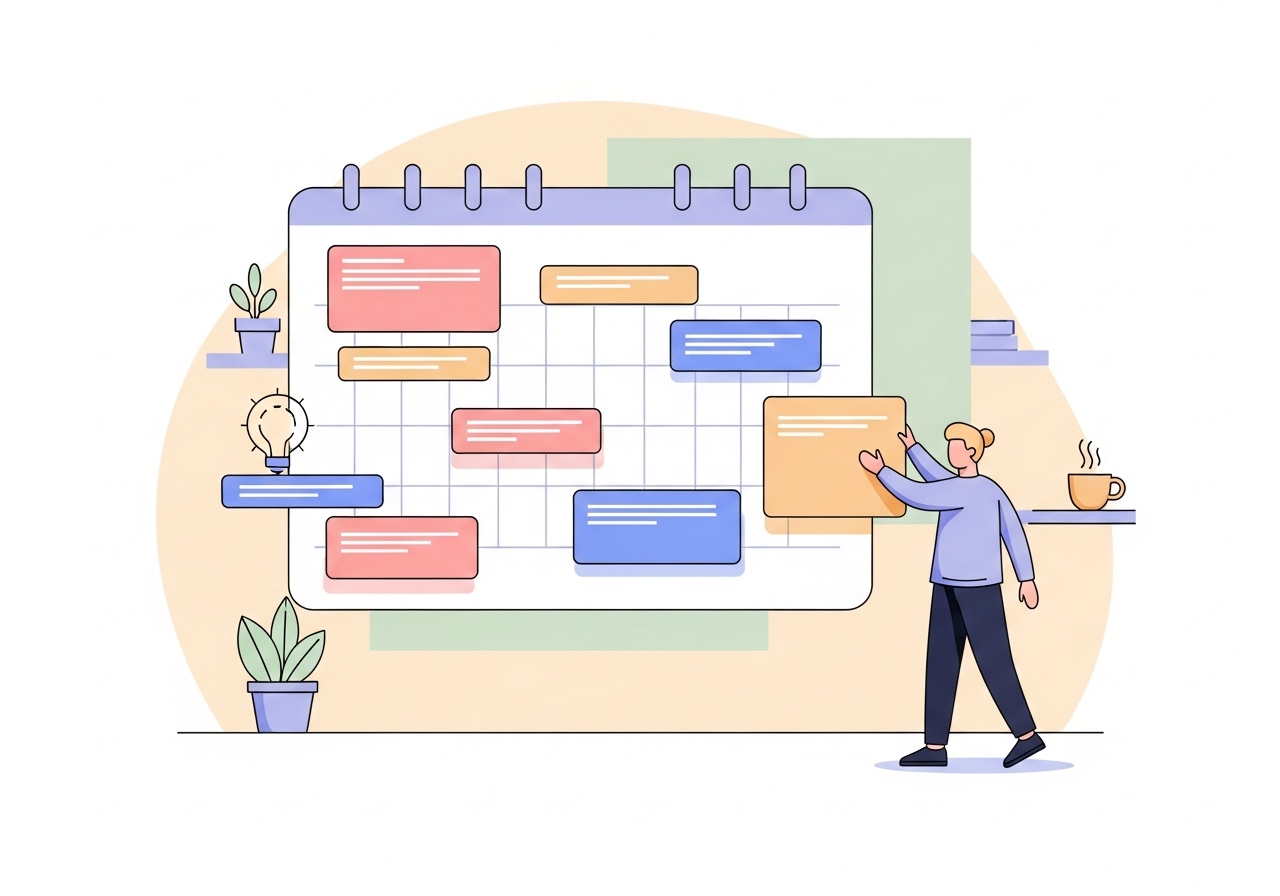
- Develop a Content Calendar: Plan your blog posts at least a month in advance. A content calendar should include the publication date, topic, target keyword, content pillar, and CTA for each article. This keeps your team organized and your publishing schedule consistent.
Overcoming Common Blogging Challenges for Small Teams
While the benefits of blogging are significant, small businesses often face practical challenges that can derail their efforts. The primary obstacle is a lack of resources, specifically time and specialized expertise. Writing, editing, optimizing, and promoting content is a demanding process, and small teams often wear many hats.
Common hurdles include:
- Time Constraints: High-quality blog posts can take many hours to research and write. For a small team, dedicating that much time consistently is difficult when client work or product development takes priority.
- Lack of SEO Expertise: Effective blogging requires a solid understanding of SEO principles. Many small businesses lack a dedicated SEO specialist, making it hard to compete for valuable search rankings.
- Generating Ideas: Constantly coming up with fresh, relevant blog topics that align with your strategy can be a creative drain.
- Maintaining Consistency: It is common for a business to start a blog with enthusiasm, only for it to become neglected after a few months as other priorities emerge. An inconsistent blog can damage brand credibility.
For many modern teams, the solution to these challenges lies in automation. Using AI-powered tools can handle the most time-consuming aspects of content creation. By understanding the core principles of content automation, businesses can implement systems that perform keyword research, generate content calendars, write drafts, and even publish articles automatically. This approach allows small teams to maintain a high-quality, consistent blog without the manual overhead, freeing them to focus on strategy and customer relationships.

Ultimately, blogging for small business is an essential marketing activity. The key is to build a smart, sustainable process. By defining a clear strategy and using the right tools to execute it, any business can turn its blog into a powerful engine for growth. The focus should be on creating a system that delivers consistent value to your audience without overwhelming your team.
Ready to build a content engine that runs on its own? Ascend fully automates your WordPress blog, from keyword research and content calendars to writing and publishing daily, high-quality posts. Stop spending hours on manual content creation and start growing your organic traffic effortlessly. Discover how Ascend can automate your content strategy today.
Written by
Ascend
Ascend is an automated SEO engine for WordPress. It handles keyword research, writes high-quality, search-optimized content, and publishes it directly to your site, so your traffic can grow on autopilot. Learn more