7 Effective B2B Lead Generation Strategies to Grow Your Pipeline
Building a consistent pipeline of qualified leads is the foundation of growth for any B2B company, whether you’re a marketing agency, a SaaS provider, or an influencer platform. Without a steady flow of interested prospects, sales teams struggle and revenue targets remain out of reach. Effective b2b lead generation strategies are not about casting the widest net possible; they are about precisely targeting, engaging, and converting the right customers. This requires a thoughtful mix of inbound and outbound tactics designed to build trust and demonstrate value at every touchpoint.
From personalized account-based marketing to scalable content engines, the right approach can transform your sales funnel. Below, we explore seven proven strategies that agencies and tech companies can use to attract high-quality leads, fill their pipelines, and drive sustainable business growth.
Launch Targeted Account-Based Marketing (ABM) Campaigns
Account-Based Marketing (ABM) flips the traditional marketing funnel on its head. Instead of marketing to a broad audience and hoping the right prospects emerge, ABM focuses marketing and sales resources on a select group of high-value target accounts. This highly personalized approach is particularly effective in B2B, where purchase decisions often involve multiple stakeholders and longer sales cycles. By treating each target account as a market of one, you can craft messages and content that speak directly to their specific pain points and business needs.
An effective ABM campaign requires close alignment between your sales and marketing teams. According to research from ZoomInfo, starting with accurate B2B data is critical, as poor data quality can stop a campaign before it even begins. Success depends on identifying the right accounts, understanding their internal structure, and engaging key decision-makers with relevant, timely outreach.
Key steps for implementing an ABM strategy include:
- Define Your Ideal Customer Profile (ICP): Analyze your best current customers to identify common attributes like industry, company size, revenue, and technology stack. This profile guides your account selection.
- Identify and Prioritize Target Accounts: Use your ICP to build a list of target companies that are a perfect fit for your product or service. Tier these accounts based on their potential value and your ability to win their business.
- Personalize Your Outreach: Develop custom content, personalized emails, and targeted ad campaigns for each account. Address their specific challenges and show how your solution provides a direct benefit. This requires a deeper understanding of marketing strategy vs. tactics to ensure your efforts align with long-term goals.
- Coordinate Multi-Channel Engagement: Use a mix of channels, including email, social media (especially LinkedIn), digital ads, and direct mail, to engage different stakeholders within the target account.
Implement SEO-Driven Content as a Core B2B Lead Generation Strategy
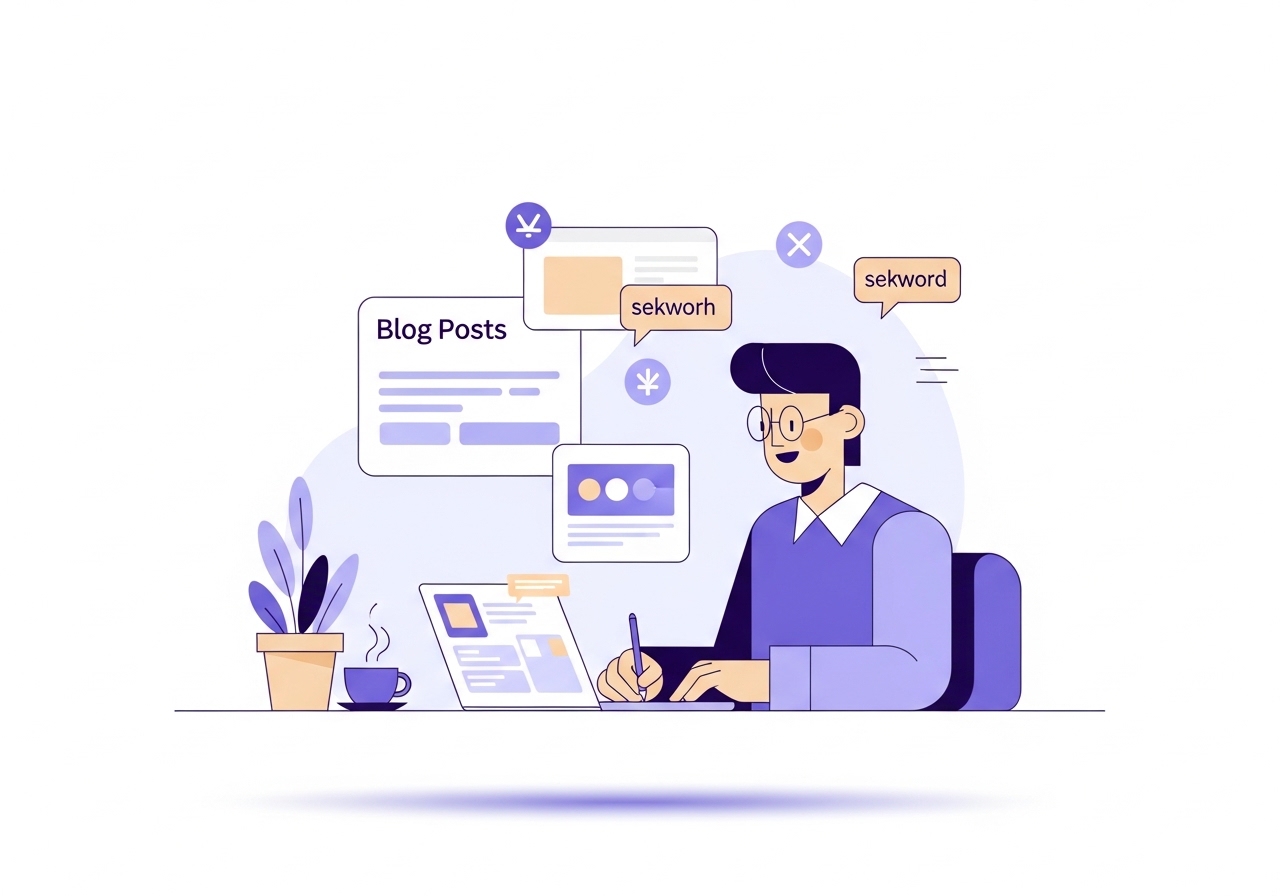
Content marketing is a powerful engine for inbound lead generation. By consistently creating and publishing valuable content that addresses your audience’s questions and challenges, you attract qualified organic traffic through search engines. Unlike paid advertising, which stops when you stop paying, a strong content library is a long-term asset that generates leads for years. For agencies and SaaS companies, demonstrating expertise through high-quality content is one of the best ways to build trust with potential clients.
The key is to focus on topics that your ideal customers are actively searching for. Perform keyword research to understand their pain points and interests, then create blog posts, guides, white papers, and case studies that provide genuine solutions. This approach positions your brand as a helpful authority in your industry. As you work on a plan to boost SEO, you establish a predictable source of inbound interest.
To turn your content into a lead generation machine:
- Focus on Problem-Oriented Keywords: Target keywords that indicate a user is looking for a solution, not just information. Phrases like “how to,” “best software for,” or “agency for [service]” often have high commercial intent.
- Create Pillar Pages and Topic Clusters: Organize your content around core topics. A comprehensive “pillar page” on a broad subject can link out to more specific “cluster” blog posts, signaling your authority to search engines and providing a clear path for readers.
- Optimize for Conversions: Every piece of content should have a purpose. Include clear calls-to-action (CTAs) within your posts, encouraging readers to download a related resource, request a demo, or subscribe to your newsletter.
- Automate for Consistency: Maintaining a consistent publishing schedule is crucial for SEO success but can be time-consuming. Tools that help you automate content creation can ensure you never miss a beat, allowing your team to scale its efforts without sacrificing quality.
Engage Prospects Through Strategic LinkedIn Outreach
LinkedIn is the dominant social network for B2B professionals, making it an essential channel for lead generation. However, effective outreach is about more than sending mass connection requests. A strategic approach involves identifying the right people, personalizing your communication, and providing value before you ask for anything in return. The goal is to start a conversation and build a relationship, not to make a hard sell in the first message.
Use LinkedIn Sales Navigator to find decision-makers within your target accounts who fit your ideal customer profile. You can filter by job title, company size, industry, and more to create highly targeted prospect lists. Once you’ve identified the right people, focus on making a genuine connection. Mention a shared connection, a recent post they published, or an article their company was featured in. This shows you’ve done your homework and aren’t just sending a generic template.
Best practices for LinkedIn lead generation include:
- Optimize Your Profile: Your personal and company profiles should clearly state who you help and how you help them. Think of it as a landing page that needs to quickly communicate your value proposition.
- Share Valuable Content: Regularly post insightful content that is relevant to your target audience. This builds your credibility and keeps you top-of-mind with your connections.
- Engage in Relevant Groups: Participate in industry-specific LinkedIn Groups where your prospects are active. Answer questions and contribute to discussions to position yourself as a helpful expert.
- Follow Up Thoughtfully: If a connection request is accepted, send a follow-up message that continues the conversation. Avoid an immediate sales pitch. Instead, offer a helpful resource or ask an open-ended question about their business.
Host Webinars and Virtual Events
Webinars and virtual events are excellent B2B lead generation strategies because they allow you to engage a captive audience for an extended period. By offering educational content on a topic that is highly relevant to your target market, you can attract a large number of interested prospects. Since attendees must register with their contact information, every registrant is a new lead for your business. These events are a powerful way to demonstrate your expertise, showcase your product, and answer questions in a live, interactive format.
The most successful webinars solve a specific, tangible problem for the audience. Instead of a generic product demo, consider topics like “How to Scale Your Agency’s Client Reporting” or “5 Mistakes to Avoid in Your SaaS Onboarding Flow.” According to a report from industry experts at Outfunnel, creating genuine interest in your offerings is the core of lead generation, and educational events do this perfectly.

To maximize leads from virtual events:
- Promote Across Multiple Channels: Use email marketing, social media, paid ads, and partner promotions to drive registrations for your event. Start promoting at least two weeks in advance.
- Collaborate with an Influencer or Partner: Co-hosting a webinar with a respected industry influencer or a complementary business can significantly expand your reach and lend credibility to your event.
- Engage During the Event: Use polls, Q&A sessions, and chat features to keep your audience engaged. The more interactive the event, the more memorable it will be.
- Have a Clear Follow-Up Strategy: Send a recording of the webinar to all registrants. For those who attended, follow up with a targeted offer related to the content. For those who registered but didn’t attend, send a “sorry we missed you” email to re-engage them.
Develop Co-Marketing Partnerships
Co-marketing partnerships allow you to tap into the audience of another business that serves a similar customer base but is not a direct competitor. By collaborating on a marketing initiative, both companies can generate leads, increase brand awareness, and share resources. This is a highly efficient strategy because you are reaching a pre-qualified audience that already has trust in your partner.
Finding the right partner is crucial. Look for companies whose products or services are complementary to yours. For example, a project management SaaS tool could partner with a time-tracking software company. A web design agency could partner with a content marketing agency. The key is that a customer of your partner would likely find your offering valuable as well. A successful partnership is built on shared goals and mutual benefit.
Popular co-marketing initiatives include:
- Joint Webinars: As mentioned above, co-hosting a webinar is a popular and effective tactic. Each partner promotes the event to their audience, doubling the potential reach.
- Co-authored Ebooks or White Papers: Create a comprehensive piece of content together, leveraging the expertise of both companies. Both partners can host the gated asset on their website to collect leads.
- Cross-Promotions: Feature each other in your respective newsletters, blog posts, or social media channels. This can be a simple way to introduce your brand to a new audience.
Create Interactive Tools and Calculators
In a world saturated with ebooks and white papers, interactive tools can stand out as highly effective lead magnets. Resources like free calculators, quizzes, or simple assessment tools provide immediate, personalized value to the user. In exchange for this value, users are often very willing to provide their email address. These tools are effective because they help prospects understand a problem or quantify a potential opportunity in a tangible way.
For example, a SaaS company might create an ROI calculator that shows potential customers how much money they could save by using their software. A marketing agency could build a “Marketing Maturity Grader” that helps businesses assess their current marketing efforts and identify areas for improvement. These tools not only generate leads but also qualify them. Someone who uses an ROI calculator is likely demonstrating a higher level of purchase intent than someone who downloads a general ebook.
To get started with interactive tools:
- Identify a Common Question: Think about the common questions your sales team receives. Is there a way to turn the answer into a self-serve tool?
- Keep It Simple: The tool should be easy to use and provide value in less than a minute. Avoid asking for too much information upfront.
- Promote It Heavily: Feature your tool prominently on your website homepage, run ad campaigns to promote it, and include it in your email signatures.
Optimize Gated Content Offers
Gated content is any resource that requires a user to fill out a form to access it. While you shouldn’t gate all of your content (like blog posts), placing your most valuable, in-depth resources behind a form is a classic B2B lead generation strategy. These high-value assets, often called lead magnets, are designed to be so compelling that a prospect is willing to exchange their contact information for access.
The key to success with gated content is ensuring the perceived value of the offer is greater than the perceived cost of giving up personal information. A 500-word blog post repurposed as a PDF is not a strong offer. However, an original research report, a comprehensive implementation guide, or a proprietary data study can be extremely effective. Successful strategies always start with understanding what information buyers find most valuable.
Examples of effective gated content include:
- Original Research Reports: Conduct a survey in your industry and publish the findings. This type of content positions you as a thought leader and is highly shareable.
- In-Depth Ebooks and Guides: Create a definitive guide to a complex topic that your audience cares about. This demonstrates your deep expertise.
- Templates and Checklists: Provide practical, time-saving resources that your audience can use immediately in their work.
- On-Demand Webinars: Gate the recordings of your past webinars to continue generating leads from them long after the live event is over.
Ultimately, generating a steady stream of B2B leads requires a strategic, multi-faceted approach. Relying on a single channel is risky; the most resilient businesses build a diversified lead generation engine that combines inbound and outbound tactics. By focusing on providing value, personalizing your communication, and understanding your ideal customer’s needs, you can build a robust sales pipeline that fuels predictable growth for your agency or SaaS company.
Many of these B2B lead generation strategies depend on a consistent flow of high-quality content. But keyword research, writing, and managing a content calendar can consume hundreds of hours. Ascend fully automates your blog content creation right from your WordPress dashboard.
Our AI learns your brand, performs keyword research, and publishes a complete, SEO-optimized blog post every single day. See how you can scale your content and grow organic traffic without the heavy lifting. Discover Ascend today.
Written by
Ascend
Ascend is an automated SEO engine for WordPress. It handles keyword research, writes high-quality, search-optimized content, and publishes it directly to your site, so your traffic can grow on autopilot. Learn more