5 Bandwagon in Advertising Examples and How to Use Them
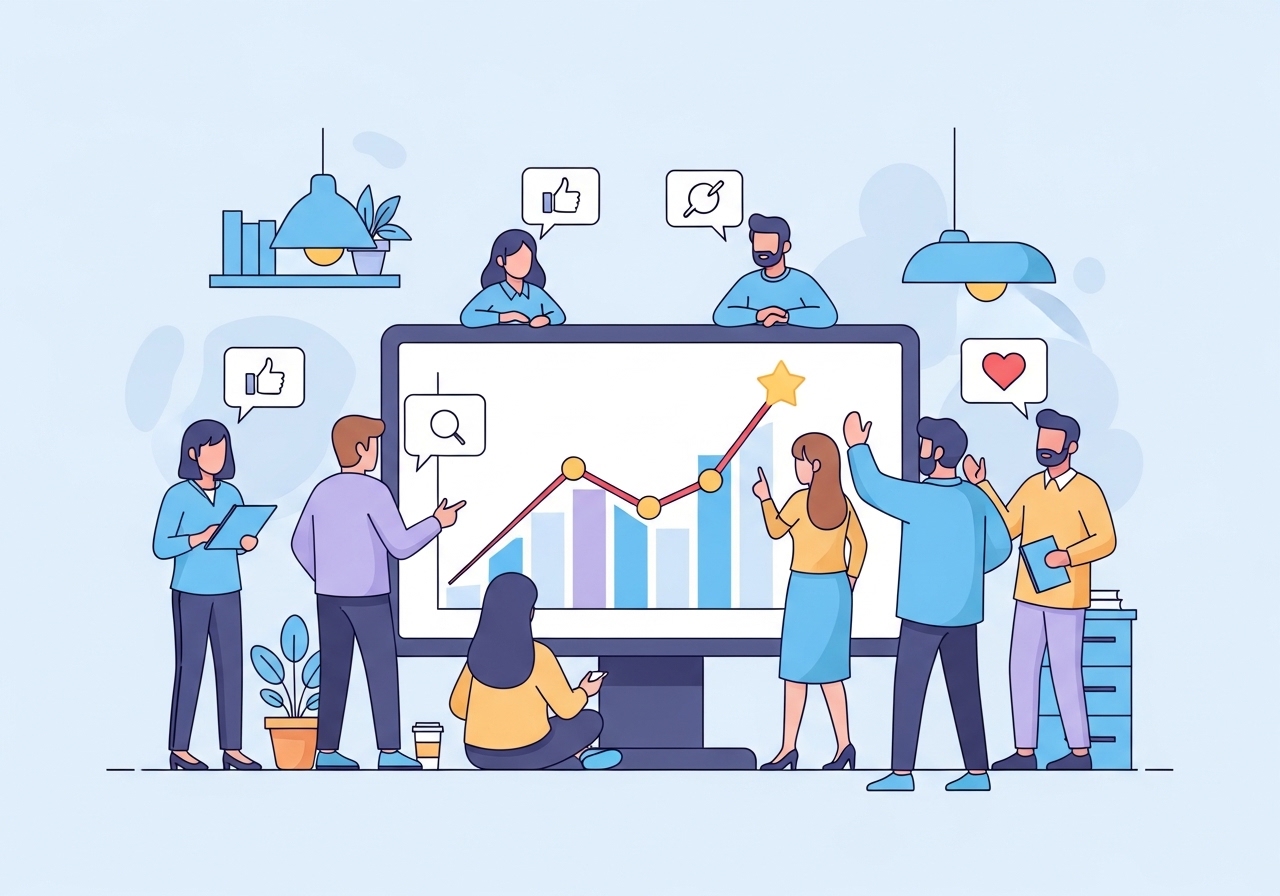
Bandwagon in advertising examples are marketing campaigns that show a product’s popularity to convince new customers to join the trend. This psychological tactic is built on the idea of social proof and the fear of missing out (FOMO), suggesting that if many people are using a product, it must be good. For marketing agencies and SaaS companies, understanding this concept is key to creating campaigns that build momentum and drive adoption. This guide explores the mechanics of the bandwagon effect, provides clear examples, and outlines when to use it in your own strategy.
What Is the Bandwagon Effect in Advertising?
The bandwagon effect is a cognitive bias where individuals adopt certain behaviors or beliefs because many others are doing so. In advertising, this translates to creating a perception of widespread approval and popularity to influence consumer decisions. The core message is simple: “Everyone is using this, so you should too.” This approach appeals directly to a fundamental human desire to belong and be part of the “in-group.”
This tactic works by tapping into several psychological triggers:
- Social Proof: When people are uncertain, they often look to the actions of others to guide their own. An ad showing thousands of happy customers provides this proof, reducing the perceived risk for a new buyer.
- Fear of Missing Out (FOMO): The bandwagon effect creates a sense of urgency. Consumers may feel that if they don’t join in, they will miss out on a valuable experience, a popular trend, or a social conversation. This feeling is a powerful motivator, especially in fast-moving digital environments.
- Desire for Conformity: As social creatures, humans have an innate need to fit in with their peers. Bandwagon advertising suggests that adopting a product is the standard or accepted choice within a desirable social group.
By highlighting popularity, marketers can sidestep lengthy explanations about product features and instead focus on the powerful, simple message of social acceptance. It shifts the customer’s decision from “Is this product good?” to “Why am I the only one not using this?”
Classic Bandwagon in Advertising Examples
Before social media and digital analytics, brands relied on mass media to create a sense of universal popularity. These classic campaigns established the foundation for the bandwagon tactics we see today. They excelled at creating a sense of inevitability and social consensus around their products.

Here are a few iconic examples:
- McDonald’s: “Over 99 Billion Served” – This is perhaps the most direct and effective bandwagon slogan of all time. The sign under the golden arches didn’t need to say the burgers were delicious. The sheer number implied quality and customer satisfaction on a massive scale. It told potential customers that billions of choices couldn’t be wrong.
- Maybelline: “Maybe she’s born with it. Maybe it’s Maybelline.” – This tagline was brilliant because it positioned the brand as the default, go-to cosmetic. It implied that so many people used Maybelline that it became the most logical explanation for a flawless look. It created a bandwagon of beauty standards.
- Proactiv: Celebrity Endorsements – In the early 2000s, Proactiv used a long list of popular celebrities to endorse its skincare products. The message was clear: if these famous, admired people all trust Proactiv to maintain their appearance, it must be the best choice for you too. Each new celebrity added more weight to the bandwagon.
- Apple: “Get a Mac” Campaign – These ads personified Mac and PC users, portraying the Mac user as cool, creative, and modern while the PC user was stuffy and outdated. The campaign encouraged viewers to join the “cooler” group, creating a powerful bandwagon based on identity and aspiration.
How Modern Digital Campaigns Use the Bandwagon Appeal
In the digital age, the bandwagon effect has become more sophisticated and data-driven. Marketers now have numerous channels to demonstrate popularity in real-time. Instead of just claiming a product is popular, they can show it with numbers, social proof, and user-generated content. For agencies and SaaS companies, this is a key part of a broader business advertising strategy.
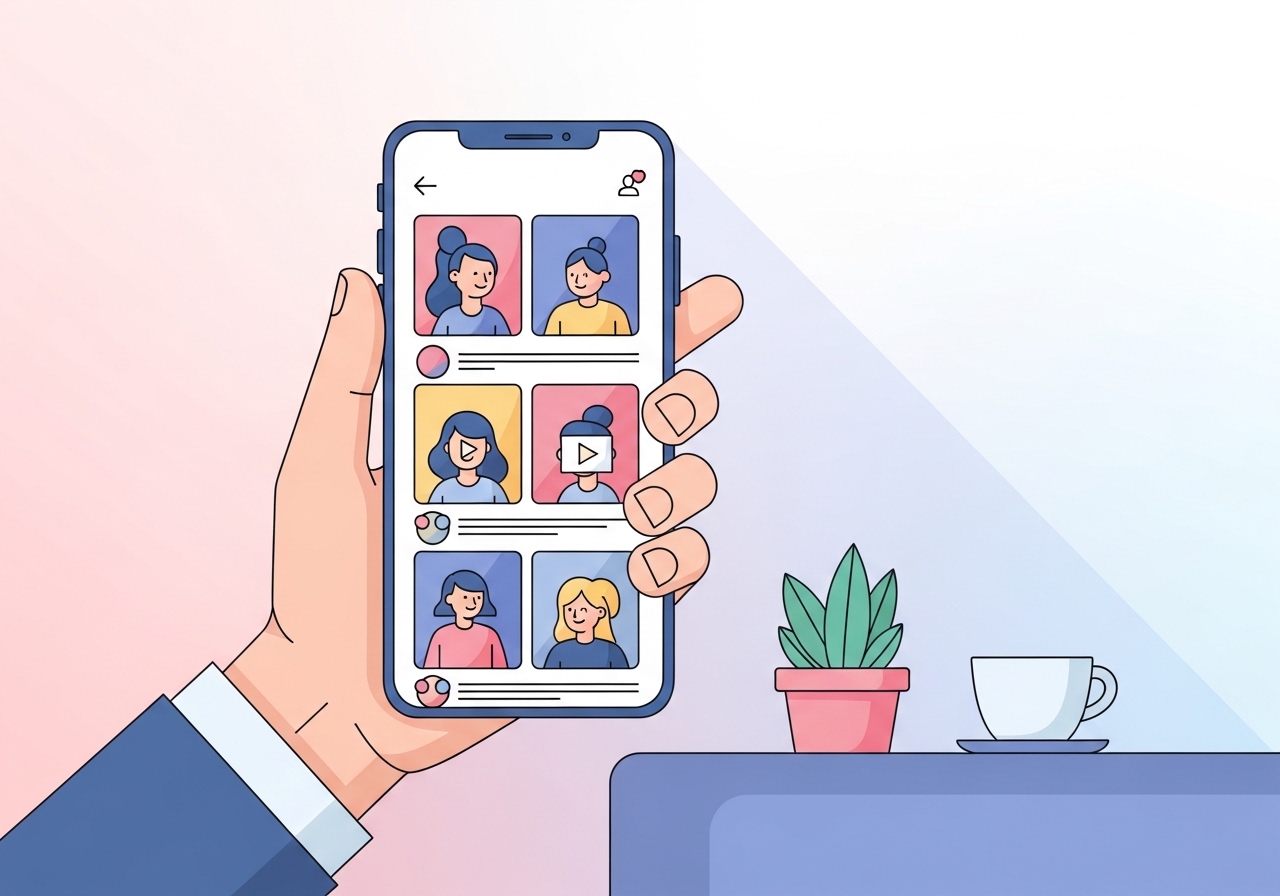
Here’s how modern brands apply the tactic:
- Displaying User Counts and Social Proof: SaaS landing pages frequently use phrases like “Join 100,000+ businesses growing with our software.” This number provides immediate, quantifiable proof of popularity and builds trust before a user even signs up for a trial.
- Influencer Marketing: When an influencer promotes a product, they are essentially inviting their followers to join their bandwagon. Their endorsement serves as a trusted recommendation, and seeing multiple influencers use the same product creates a powerful sense of a growing trend.
- User-Generated Content (UGC): Encouraging customers to post photos or videos with a specific product or hashtag is a visual form of the bandwagon effect. Campaigns like Starbucks’ #RedCupContest create a feed full of customers participating in a shared experience, making others want to join.
- Trending on Social Media: Brands can tap into or create trends on platforms like TikTok or Instagram. When a particular sound, filter, or challenge associated with a brand goes viral, it creates a massive, short-term bandwagon that can lead to a significant boost in brand awareness.
- Customer Testimonials and Star Ratings: Showcasing a high volume of positive reviews is a classic digital bandwagon tactic. An e-commerce site displaying “4.8 stars from 5,000+ reviews” is using the wisdom of the crowd to assure new buyers of the product’s quality.
The Potential Risks of Using the Bandwagon Tactic
While effective, the bandwagon approach is not without its risks. If implemented poorly or without a solid product to back it up, it can damage a brand’s credibility. It is essential to understand the potential downsides before building a campaign around social proof.
Consider these potential risks:
- Inauthenticity: Modern consumers are savvy and can often spot when popularity is being fabricated. If a brand’s claims of being the “most popular choice” don’t align with reality, it can lead to a loss of trust. The social proof must feel genuine.
- Attracting Low-Quality Customers: Bandwagon appeals can attract customers who are more interested in following a trend than in the product’s actual value. These customers may have lower loyalty and higher churn rates once the trend fades.
- Short-Term Focus: A strategy that relies too heavily on what’s currently popular can neglect the long-term work of building a brand with a unique value proposition. Trends are by nature temporary, and a brand needs more than just popularity to survive.
- Negative Social Proof: This tactic can backfire. If a product becomes associated with a negative trend or a controversial group, it can create a bandwagon effect in the opposite direction, where people actively avoid the brand to distance themselves from that group.
When to Apply the Bandwagon Effect to Your Strategy
The key to using the bandwagon effect successfully is to apply it strategically in situations where it will have the most impact. It shouldn’t be the only tool in your marketing toolkit, but it can be very effective when used to achieve specific goals. For many brands, this means integrating it into a strong SEO content marketing plan that also focuses on value and expertise.
Here are some of the best scenarios for applying this tactic:
- Product Launches: During a launch, your primary goal is to build momentum. Using early adopter testimonials, showcasing initial signup numbers, and highlighting press mentions can create a sense of excitement and encourage more people to try the new product.
- Entering a Competitive Market: When you’re the new player in an established market, showing rapid adoption can help you gain credibility quickly. Highlighting how many users have switched from a competitor is a powerful form of bandwagon advertising.
- Highlighting a Flagship Feature: If your product has one feature that is exceptionally popular, you can build a bandwagon around it. Messaging like “See the feature that 90% of our customers use every day” can draw attention to a key differentiator.
- Scaling a Proven Product: Once you have a genuinely popular product with strong customer satisfaction, the bandwagon effect can accelerate its growth. At this stage, your claims of popularity are authentic and backed by real data, making them even more persuasive.
Ultimately, the bandwagon effect is most powerful when the popularity it promotes is real. It works best as an amplifier of genuine customer satisfaction, not as a substitute for it. Use it to showcase the community you’ve already built and to invite others to join a movement that is already successful.
Tired of the content treadmill? High-quality, consistent content is key to building the social proof needed to create a bandwagon effect, but it takes time. Ascend fully automates your blog content strategy, from keyword research to publishing a brand-aligned article every day, right from your WordPress dashboard.
See how you can grow organic traffic and build your brand’s momentum while you focus on your product. Discover Ascend today.
Written by
Ascend
Ascend is an automated SEO engine for WordPress. It handles keyword research, writes high-quality, search-optimized content, and publishes it directly to your site, so your traffic can grow on autopilot. Learn more